
In June 2020, the Department of Information and Communications Technology (DICT) released recommendations for the development of Independent Common Towers in an effort to boost telco networks around the country, and several have responded.
Telecommunications providers will use common towers as carrier-neutral relay stations to cover more regions with more consistent signals. These towers are not designed or operated by telcos, but rather by private corporations. Telcos can pay the Popular Tower Providers a fee to use the towers, similar to a tollway.
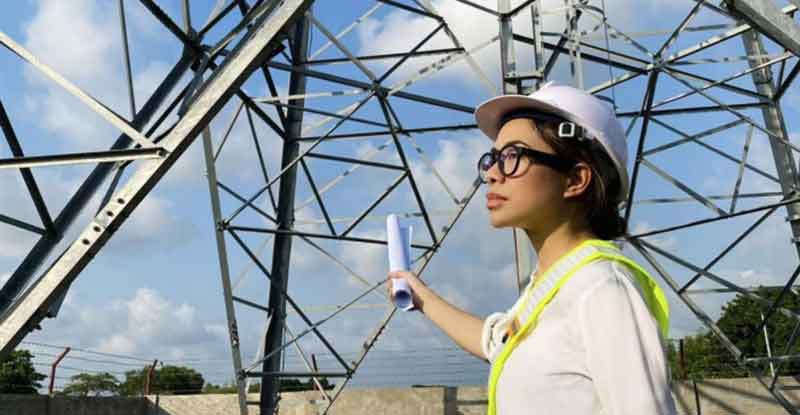
The LCS Group is one of these providers, having recently completed their 30th Common Tower, the most recent of which is in Alicia, Isabella (pictured), with hundreds more currently under construction around the world.
“We fully support the DICT’s directive in allowing independent providers to construct towers that will create opportunities for all 3 telcos to expand their service to more areas, ultimately improving Last Mile services through collaboration with our carrier-neutral Towers,” said LCS Group Vice Chairman Architect Richelle Singson-Michael. “What is known as the ‘sharing economy’ has disrupted tech markets, and the same principles can be applied in the telco industry saving them from having to invest and operate the towers themselves”.
CS’ CEO (ICT) Aaron H Tan added “With our shared infrastructure, we have effectively shortened the network rollout and expansion periods of all the current and future service providers, hence expediting their go-to-the-market strategies.”.
The two big telcos, PLDT and Globe, run a net number of over 16,000 cell sites nationally, according to DICT estimates. DITO Telecommunity, a new telco, plans to complete 3,200 sites by July 2021, with 1,920 towers already completed as of April 30.
In terms of tower construction, the Philippines currently lags behind its neighbors Vietnam and Indonesia, which both have about 70,000 to 90,000 towers. For the millions of Filipinos who are now operating from home due to the global pandemic, catching up to them will entail better facilities, safer purchases, and easier contact.
Since the designing and building of these towers is very labor-intensive, and providers like LCS are aware of the neighborhoods where the towers are built, Architect Richelle sees the Popular Towers as economic invigorators. “We still make it a point to hire local experts and labor,” she said, “because our work isn’t over if just the telcos and the Last Mile are satisfied; we at LCS take it upon ourselves to add value to every single city where our towers are located.”
The LCS Group plans to finish its 100th tower by the end of May 2021, and to build over 5,000 towers in the next four years.


