
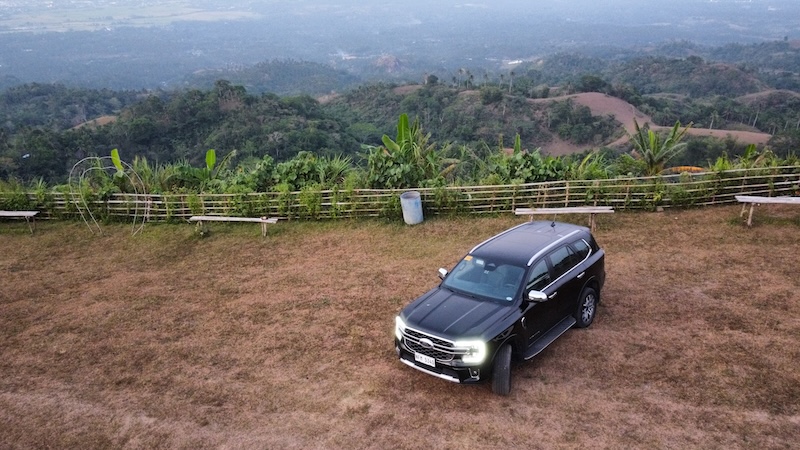
Is the Ford Everest Titanium+ Worth It in the Philippines?
After driving the Ford Everest Titanium+ through some of the worst roads in the Philippines, I finally understood what this SUV is really made for.
Not for showroom conditions.
Not for perfect highways.
But for the real Philippines—traffic, potholes, floods, long drives, and roads that test your patience… and your suspension.
If you’re choosing between Everest, Fortuner, or Montero, this real-world experience will help you decide if this SUV is actually worth your money.
My Real-World Test: Andaya Highway and Atimonan Zigzag
Let’s be honest—Quezon’s Andaya Highway is not a road… it’s a challenge.
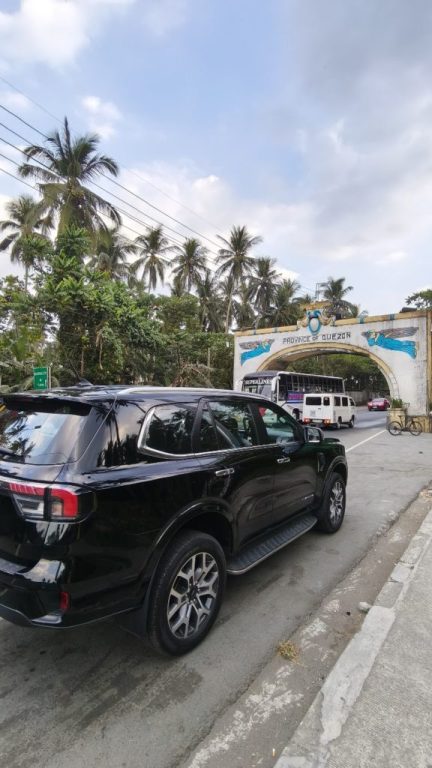
Uneven pavement.
Random repairs.
Surprise holes that appear like jump scares.
This is where I tested the Everest.
And honestly?
It made everything feel easy.
No stress. No struggle. No drama.
Even more surprising:
I stayed in 2H (normal driving mode) the whole time.
No need for 4H. No need for extra effort.
Then came the old zigzag road in Atimonan—a place where drivers usually tense up.
With this SUV?
It felt like a casual Sunday drive.
See also: The FordFiesta 2010 Experience
Powerful Engine That Feels Effortless in Real Life
On paper, the Everest Titanium+ is powerful.
But what matters is this:
You don’t feel like you’re pushing the car—it just moves.
Overtaking? Easy.
Uphill climbs? No hesitation.
Fully loaded? Still smooth.
There’s no “bitin” feeling.
It’s the kind of SUV that makes you confident without even trying.
Fuel Economy in the Philippines: My Real Numbers (And What to Expect)
Let’s talk about something very important—fuel consumption.
Because let’s be real… diesel prices are not a joke anymore.
My Actual Experience:
- Average consumption: 9 km/L
- Highway best: 9.3 km/L
Now here’s the important part:
👉 These numbers are actually realistic for Philippine conditions.
Based on local reviews and owner data:
- City driving usually falls around 8–10 km/L
- Some owners even report below 9 km/L in mixed driving
- Highway-focused runs can reach around 10–10.6 km/L depending on conditions
See also The all-new Ford Explorer
What This Means:
Your 9 km/L average is:
✔ Normal
✔ Expected
✔ Not “matakaw” for a big 4×4 SUV
But let’s be honest:
This is not a fuel-saving car.
It’s a power + capability SUV first, efficiency second.
Simple take:
If you want tipid, this is not it.
If you want capability + comfort, this makes sense.
Built for Philippine Roads: Floods, Rough Roads, and Chaos
Driving in the Philippines is unpredictable.
One minute smooth.
Next minute parang off-road na.
This is where the Everest shines.
On rough roads like Andaya:
- It absorbs bumps confidently
- Hindi ka kinakabahan sa lubak
- The ride stays composed
On floods:
- High ground clearance gives confidence
- You feel safer compared to smaller vehicles
Of course, don’t treat it like a submarine.
But for normal flood situations, it gives peace of mind.
Safety and Driver Assist: Less Stress, More Control
Driving here is mentally exhausting.
Motorcycles.
Cutting lanes.
Sudden stops.
The Everest helps reduce that stress.
Features like:
- 360 camera
- Blind spot monitoring
- Lane assist
- Driver assist systems
Make driving easier.
But here’s the real thing:
👉 I never felt tired driving this car.
Even after long drives, I still felt relaxed.
That’s something specs don’t tell you.
Comfort: This Feels Like a Premium SUV
This is where the Everest surprised me.
You expect comfort—but this feels premium.
From my experience:
- Long drives didn’t feel exhausting
- Passengers were comfortable the whole time
Both front seats are power-adjustable, which makes a big difference in daily driving comfort.
The cabin is wide—similar to the Ford Ranger Sport.
You see more of the road.
More of your surroundings.
More confidence overall.
Driving Experience: Big SUV, But Easy to Handle
Some SUVs feel like work.
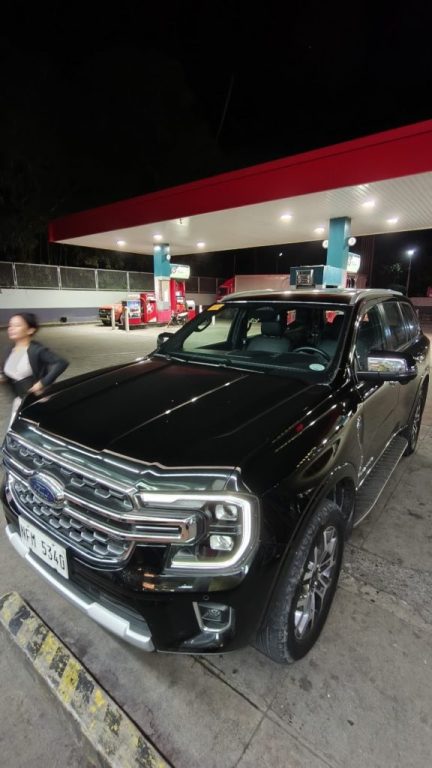
This one doesn’t.
In daily use:
- Smooth in traffic
- Stable on highways
- Easy to maneuver
Even in tight roads or city driving, it doesn’t feel overwhelming.
Tech Experience: Powerful, But Has a Learning Curve
Now here’s the honest part.
The tech looks modern—but it’s not instantly easy to use.
For the first few days:
- The menu felt confusing
- Aircon settings took time to figure out
- Features like traction control and lane assist were not obvious
There’s no simple “home button” feel.
So yes—there is a learning curve.
But once you get used to it, it becomes part of your routine.
Camera System: One Feature You’ll Use Every Day
The camera system is one of the best features of this SUV.
In real life:
- Tight streets
- Narrow parking
- Backing situations
It makes a huge difference.
You feel more confident driving a big vehicle.
Convenience Features That Feel Premium
This is where you feel the price.
Power liftgate:
- Open via cabin
- Open via rear
- Open via remote
Super convenient.
Then the third row:
👉 Power-folding seats.
Press a button:
- Seats go down
- Press again → they go back up
No effort. No hassle.
This is everyday luxury.
Who Should Buy the Ford Everest Titanium+ in the Philippines?
This SUV is perfect for:
- Families who travel long distances
- Drivers dealing with rough roads
- People who want power + comfort + tech
Who It’s NOT For
This may not be for you if:
- You want the most fuel-efficient SUV
- You only drive short city routes
Final Verdict: Not Perfect, But It Gets the Important Things Right
This is not a perfect SUV.
The tech has a learning curve.
Fuel economy is just average.
But where it matters most?
It delivers.
- Andaya Highway? Easy.
- Atimonan zigzag? Relaxing.
- Long drives? No fatigue.
- Passengers? Comfortable.
At the end of the day, this isn’t just an SUV.
It’s peace of mind on Philippine roads.


