
In the Philippines, family has always been the center of everything. From ancestral homes in the provinces to modern subdivisions in booming cities, it’s common to see grandparents, parents, and children living under one roof. Now, Camella believes this long-standing Filipino setup isn’t just tradition — it’s the future of real estate.
With rising property prices, tighter urban spaces, and changing lifestyles, multigenerational living is no longer just cultural. It’s strategic.
Why Multigenerational Homes Are Growing in Demand
Recent data supports what many Filipino families already know. According to the Philippine Institute for Development Studies (PIDS), extended or multi-family households increased from 25% in 1990 to 29% in 2020. Meanwhile, nuclear-family households declined significantly during the same period.
On the financial side, the Bangko Sentral ng Pilipinas reported property prices rising by as much as 6.5% year-on-year in 2022. Add inflation and traffic-heavy metro living into the equation, and it becomes clear why more families are pooling resources.
Instead of buying smaller separate homes, many households are choosing to invest together in larger properties — creating shared equity, stronger financial footing, and long-term inheritance value.
From a practical standpoint, this setup also means built-in childcare, elder care, and shared daily responsibilities. For many Filipinos, it simply makes sense.
Designing Homes for Three (or More) Generations
Multigenerational living isn’t just about adding extra bedrooms. It requires smarter home design.
Today’s buyers look for:
- Clear separation of private and communal spaces
- Flexible rooms that can adapt over time
- Larger kitchens (sometimes with auxiliary cooking areas)
- Open-plan layouts for gatherings and everyday bonding
Accessibility has also become a priority. Step-free entrances, wider hallways, and non-slip flooring allow seniors to age in place comfortably — while also improving safety for kids.
There’s also a noticeable shift in aesthetics. Modern Filipino homeowners want homes that blend traditional warmth with contemporary styling. The goal is simple: make everyone — from lolo and lola to Gen Z — feel at home.
Camella’s Premium Homes for Extended Families
To address this growing segment, Camella has launched a new premium residential line tailored specifically for multigenerational households.
House models such as Fiona, Gianna, and Hera offer floor areas ranging from 140 to 170 square meters, built on lot sizes starting at 130 square meters. These layouts are designed to provide:
- Multiple private bedrooms for each generation
- Expansive kitchens built for serious cooking sessions
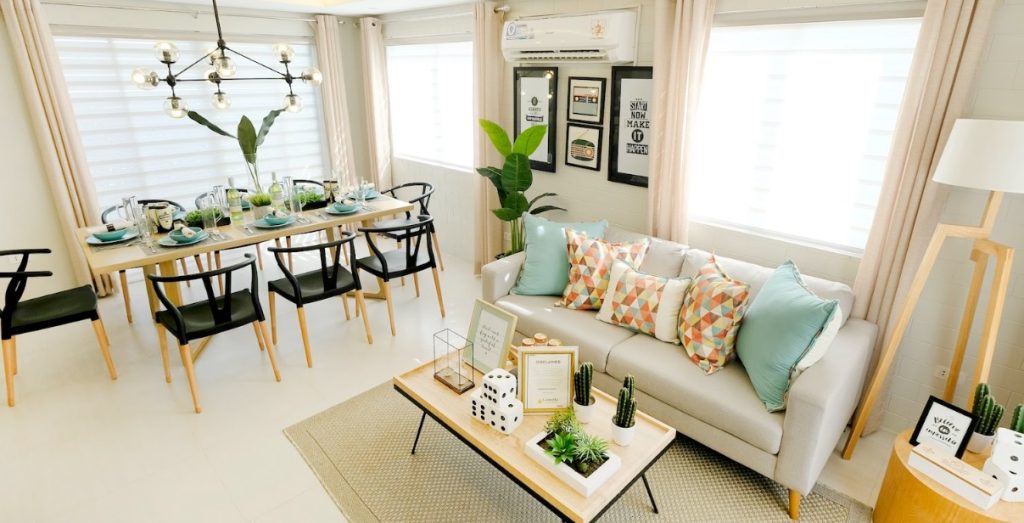
- Open living and dining areas that can host birthdays, reunions, and holidays
- Outdoor extensions like balconies, patios, pocket gardens, and carports
It’s a setup that supports both everyday routines and milestone celebrations — all within one address.
Three-Storey Townvillas for Hybrid Living
Camella is also rolling out three-storey townvillas named Tiara and Chiara, built for today’s hybrid lifestyle.
These homes are ideal for professionals working remotely, entrepreneurs running home-based businesses, or families needing dedicated workspace zones. With entire floors that can function as offices or private quarters, the design adapts as the family evolves.
In a post-pandemic world where work-from-home setups are here to stay, this flexibility is a major value proposition.
The Bigger Picture: A Shift in Philippine Housing
As family structures evolve — especially among Overseas Filipinos returning home or investing locally — housing needs are becoming more complex.
Camella’s strategy signals something important: the future of Philippine housing isn’t just about location or price. It’s about adaptability. It’s about designing homes that grow with families over decades.
In a country where family remains the foundation of society, multigenerational living may no longer be optional. It may very well define the next era of real estate.