Introduction
We’re starting to see the first real glimpse of the upcoming PartyBox—and it’s already causing noise for all the wrong reasons.
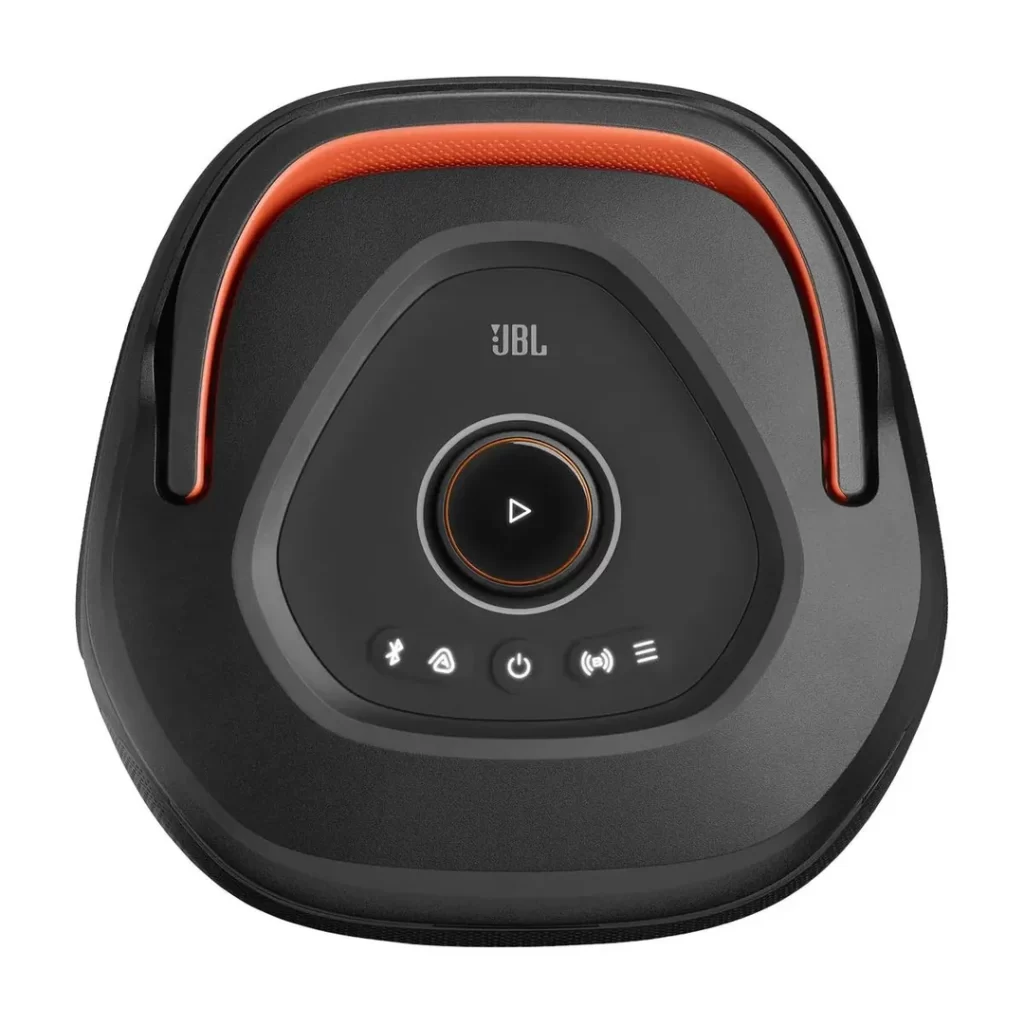
A short “sound test” clip of the JBL PartyBox 130 has surfaced online, and instead of hype, it triggered something unexpected: confusion, criticism, and even disappointment.
This isn’t the usual JBL reaction.
- Introduction
- The First Thing People Noticed: The Design
- Why It Looks Different (And Why That Matters)
- The Sound Test Problem: Don’t Trust What You Hear (Yet)
- Missing Features? Fans Are Already Noticing
- Fans Are Comparing It to Older Models—and That’s Not a Good Sign
- The Bigger Question: Is JBL Changing Its Identity?
- Should You Be Excited—or Concerned?
- Final Take
The First Thing People Noticed: The Design
Within hours of the clip going live, one thing became clear—people weren’t talking about the sound.
They were talking about how it looks.
And the reactions? Brutal.
“Wth happen to this lineup its so ugly!!! The design is so samsung!!”
“This is not the JBL we loved!”
“It looks like a light refrigerator.”
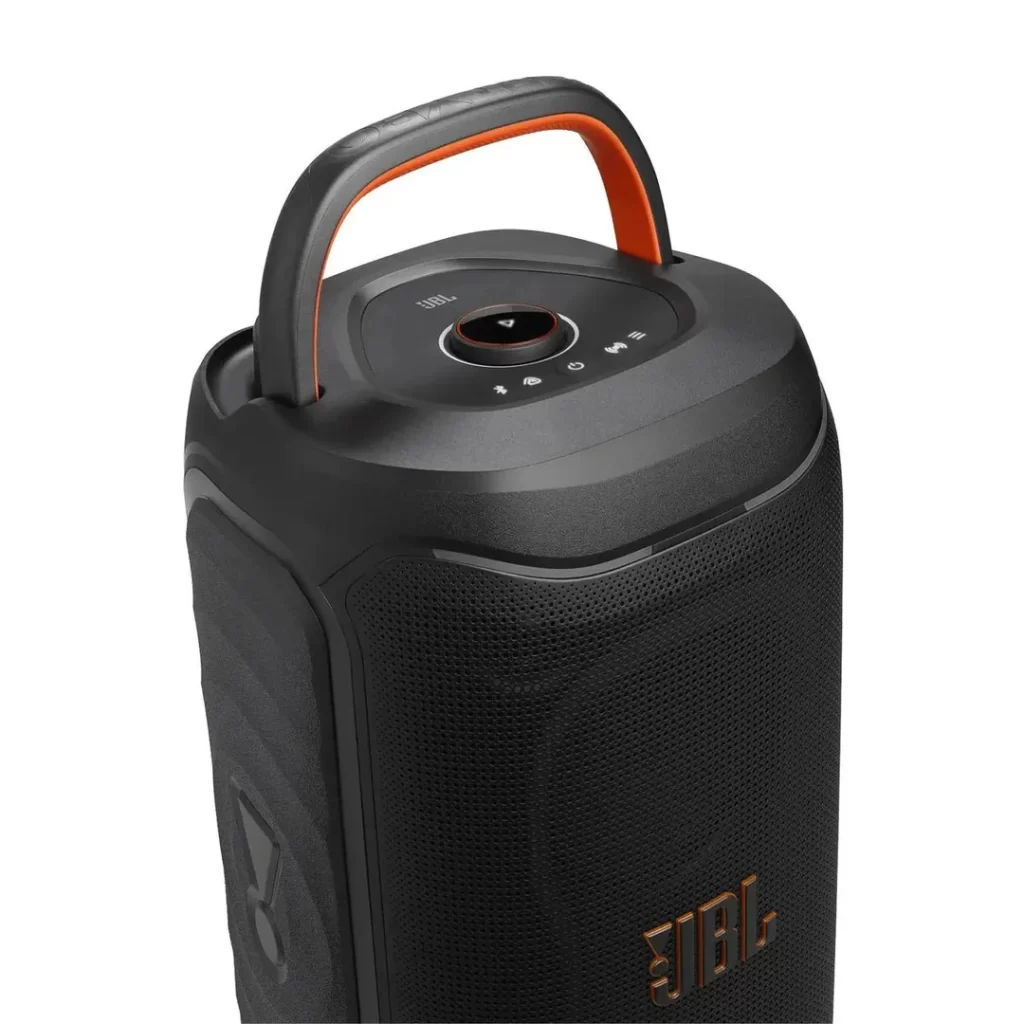
The biggest shift appears to be the styling. Compared to older models, the PartyBox 130 looks cleaner—but also less aggressive, less “party.”
That’s where the divide begins.
Why It Looks Different (And Why That Matters)
There’s a bigger story behind this design shift.
JBL is part of Harman International, which is owned by Samsung Electronics.
So when users say:
“This looks more Samsung than JBL”
…it’s not just a random comment—it reflects a real perception shift.
We’re possibly seeing JBL move toward a more mainstream, minimalist aesthetic, instead of the bold, party-first identity it built its reputation on.
See also: JBL EasySing Mics and EasySing Mic Mini Bring AI-Powered Karaoke Anywhere
The Sound Test Problem: Don’t Trust What You Hear (Yet)
Let’s be clear—the sound test clip isn’t enough to judge the speaker.
Compressed audio, phone recording, and platform limitations make it unreliable.
Even users pointed this out:
“Sound tests only work in person.”
From experience, PartyBox speakers—like the JBL PartyBox 310—are all about physical bass impact and room-filling presence.
That’s something no short clip can replicate.
Read: JBL PartyBox On-The-Go 2 Plus Brings AI-Powered Karaoke and Legendary JBL Sound
Missing Features? Fans Are Already Noticing
Beyond design, early viewers are pointing out what might be missing—or downgraded.
Here’s what’s raising eyebrows:
- No visible DJ effects pad
- Simplified light strip (fewer LEDs)
- A dial that looks less premium
And the comments reflect that concern:
“No ‘dj effects pad’ either…”
“Cheaped out on the LEDs around the drivers.”
“The dial looks cheap plastic and easy to break.”
There’s a growing concern that this could be a cost-cut version, not a true upgrade.
Fans Are Comparing It to Older Models—and That’s Not a Good Sign
Right now, comparisons are not in the 130’s favor.
Speakers like the JBL PartyBox 120 and 310 are still being praised for their design and feature balance.
“I still love my 310”
“If the next models follow this design, I’ll wait.”
That hesitation is important—it signals potential buyers are not convinced yet.
The Bigger Question: Is JBL Changing Its Identity?
This is where things get interesting.
JBL built the PartyBox line on:
- Loud visuals
- Bold design
- Party-first energy
But the PartyBox 130 suggests a different direction:
- Cleaner look
- Simpler lighting
- Possibly broader appeal
The risk?
👉 Losing the core audience that made PartyBox popular in the first place.
Should You Be Excited—or Concerned?
Right now, the smartest move is to wait.
If you care about:
- Strong lighting effects
- Classic JBL design
- DJ-style controls
…you might want to hold off until full specs and real-world tests come out.
But if JBL delivers better sound, battery, or portability, the story could still change.
See also: Bringing the Club Home: How the JBL PartyBox 120 White Edition is Redefining House Parties
Final Take
The JBL PartyBox 130 might end up being a solid speaker—but based on early reactions, it’s already one of the most controversial releases in the lineup.
And sometimes, perception matters just as much as performance.