
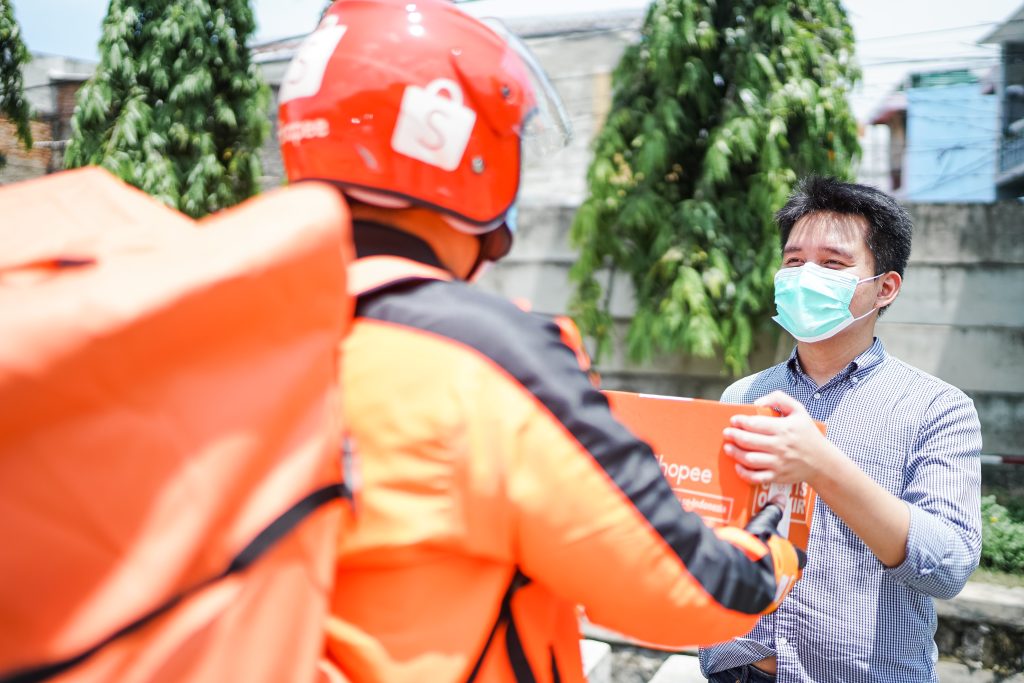
In the Philippines, geography has always played a major role in how e-commerce works. Distance increases cost, island-to-island shipping adds time, and access has often depended on where buyers and sellers are located. As Shopee Philippines marks more than a decade of operations in the country, the platform is doubling down on its long-term commitment to make online shopping faster, more reliable, and more accessible—especially in Visayas and Mindanao.
Over the years, e-commerce has evolved into a vital channel for Filipino consumers and micro, small, and medium enterprises (MSMEs). However, outside major urban centers, logistics challenges have continued to limit how quickly sellers can reach customers and how easily buyers can access products from across the country.
Why Visayas and Mindanao Matter in Philippine E-Commerce
For many buyers in Visayas and Mindanao, product availability is no longer defined solely by where sellers are based. Shopee has been actively working to close the gap between regions by strengthening its logistics and fulfillment capabilities beyond Luzon.
In an archipelagic country like the Philippines, reducing the impact of distance is critical. Shopee addresses this by enabling sellers to position inventory closer to buyers through platform-supported logistics solutions, making nationwide access less dependent on geography.
This shift allows more consistent access to everyday essentials, electronics, fashion, and other key product categories for customers in VisMin—without the long waiting times traditionally associated with cross-island deliveries.
Fulfilled by Shopee (FBS): Bringing Products Closer to Buyers
A key part of Shopee’s strategy is Fulfilled by Shopee (FBS). Through FBS, sellers can store their products in Shopee-supported facilities, while packing and shipping are handled by Shopee’s ecosystem of third-party logistics partners.
By simplifying fulfillment, FBS allows sellers to focus on growing their businesses—improving product quality, pricing competitively, and serving customers more consistently. For buyers in Visayas and Mindanao, this means faster deliveries and more reliable order fulfillment.
As a result, average delivery times for many VisMin orders have improved significantly, dropping from around seven days to just three to four days. This improvement supports more predictable delivery timelines and costs for both sellers and consumers.
Building a More Inclusive E-Commerce Ecosystem
“Making e-commerce work for the whole country means continuing to build capabilities that serve both buyers and sellers wherever they live,” said Vincent Lee, Head of Shopee Philippines.
Shopee’s investments in Visayas and Mindanao build on years of work aimed at making online buying and selling easier, more dependable, and more inclusive—especially for communities outside major urban centers. These efforts help level the playing field for regional sellers while improving the shopping experience for millions of Filipino consumers.
Empowering Filipino MSMEs Through Training and Jobs
Shopee’s impact in Visayas and Mindanao goes beyond logistics. Since the COVID-19 pandemic, Filipino sellers have collectively spent more than 110,000 hours on Shopee University courses—equivalent to over 12 straight years of learning.
These programs help entrepreneurs develop practical skills in pricing, marketing, customer service, and day-to-day business operations, enabling MSMEs to compete more effectively in the digital economy.
Looking ahead, Shopee expects its VisMin operations to support around 1,500 employment opportunities by 2026, spanning platform operations, logistics, and seller enablement roles that strengthen participation in the local e-commerce ecosystem.
Shopee’s Long-Term Vision for Nationwide Access
As Shopee enters its next decade in the Philippines, its focus remains on building long-term solutions that improve access, reliability, and participation across the country. By strengthening logistics, empowering sellers, and investing in regional growth, Shopee continues to push e-commerce closer to communities in Visayas and Mindanao—one delivery at a time.