- Introduction
- The Real Problem: Why Phone Interfaces Feel Stuck
- Introducing MagicOS 11: The Liquid Glass Revolution
- The Design Philosophy: Three Key Shifts
- 1. System-Wide Refraction (Light Bending)
- 2. Variable Transparency Control
- 3. Kinetic Responsiveness
- How It Actually Works (Without the Jargon)
- Android 17 Under the Hood
- Smart Capsule: Track Two Things at Once
- Thermal-Aware Rendering: Your Phone Stays Cool
- What Devices Get It—And When?
- Right Now: Pioneer Edition (China Only)
- Global Rollout: Late 2026 / Early 2027
- Does It Actually Matter? The Tech Patrol Perspective
- The Market Shift We’re Seeing
- Frequently Asked Questions
- When will MagicOS 11 be available globally?
- Can I turn off the Liquid Glass effects?
- How does MagicOS 11 compare to Samsung’s One UI or Xiaomi’s MIUI?
- Will my older HONOR phone get it?
- Does Liquid Glass drain battery?
- The Bigger Picture
Introduction
You’re swiping through your phone’s settings and—let’s be honest—the flat, rigid menus feel like they’re from 2015. Everything looks clean, sure, but it’s lifeless. You tap something expecting responsiveness; instead, you get lag or stutter. Meanwhile, your phone’s getting hot just from scrolling through notifications.
That’s the problem HONOR is solving with MagicOS 11.
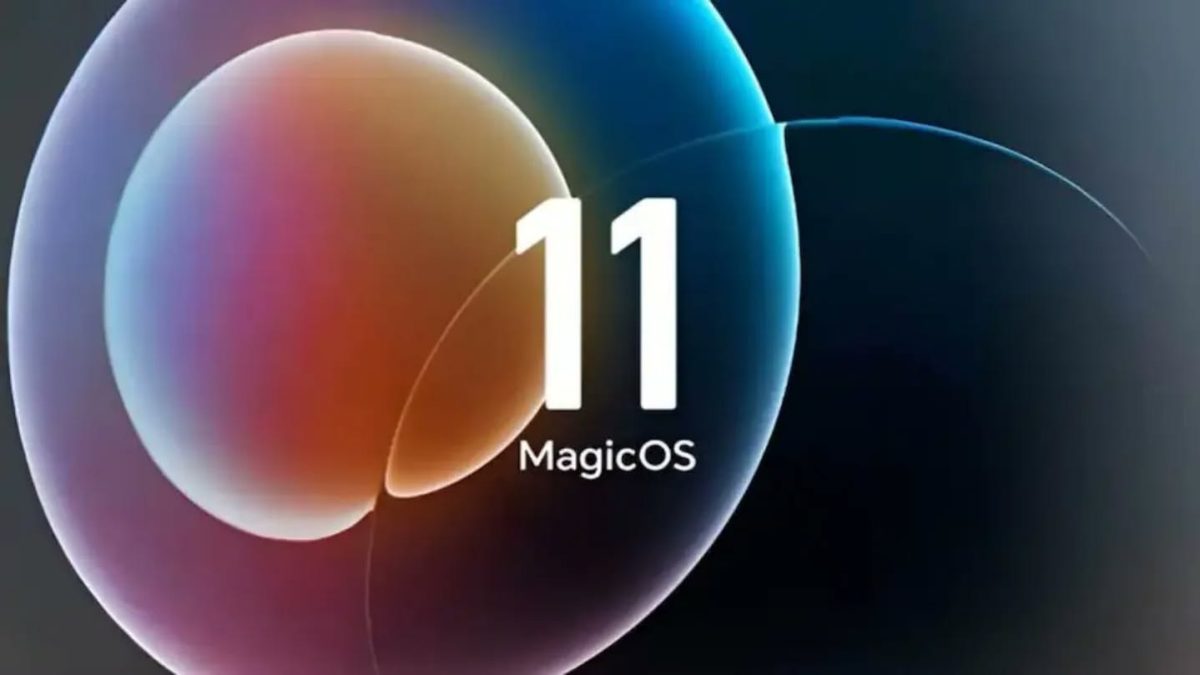
This isn’t just another software update. MagicOS 11 brings Android 17 to life with something called “Liquid Glass”—a design language that makes your phone’s interface behave like real-world materials, not just flat pictures. But beyond the visual wow factor, it’s engineered to solve real problems: efficiency, thermal management, and responsiveness.
Here’s everything you need to know.
The Real Problem: Why Phone Interfaces Feel Stuck
For years, Android has felt the same way. Menus are flat. Notifications slide in. Quick settings open. It’s functional, but it’s not alive. And in tropical climates like ours here in the Philippines, that functionality comes with a cost: heat.
When your phone is hot, battery drains faster. Performance drops. You close apps to cool things down. It’s a frustrating cycle.
HONOR looked at this problem and asked: What if interfaces could be intelligent about how they render? What if visual effects actually made the phone work better, not worse?
That’s where MagicOS 11 enters.
Introducing MagicOS 11: The Liquid Glass Revolution
At its core, MagicOS 11 is built on a simple premise: digital interfaces should behave like physical materials—specifically, glass.
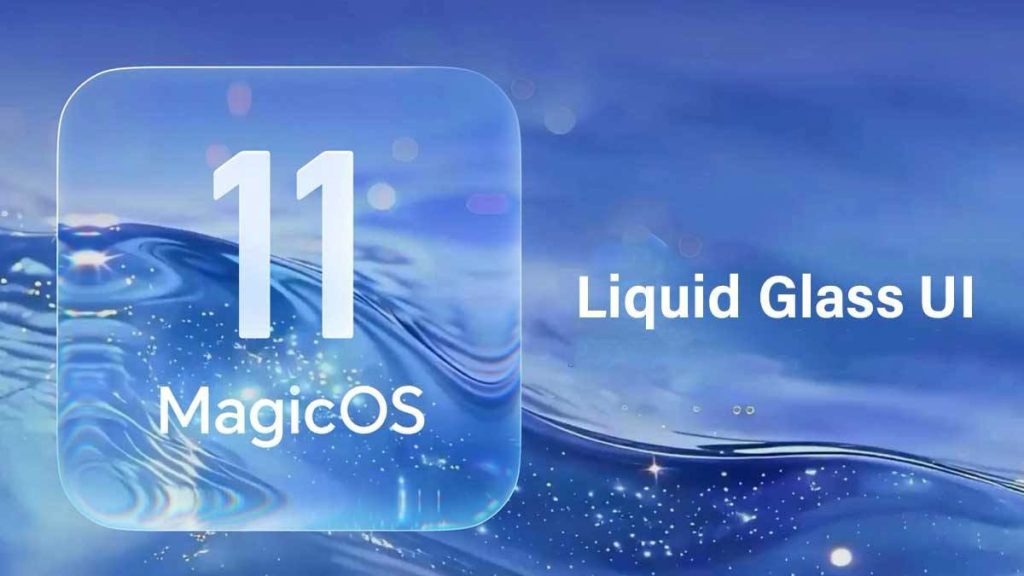
Think about real glass. Light bends through it. It’s transparent but layered. It responds to angle and light. HONOR’s engineers took that idea and turned it into something you can feel when you use your phone.
The Design Philosophy: Three Key Shifts
1. System-Wide Refraction (Light Bending)
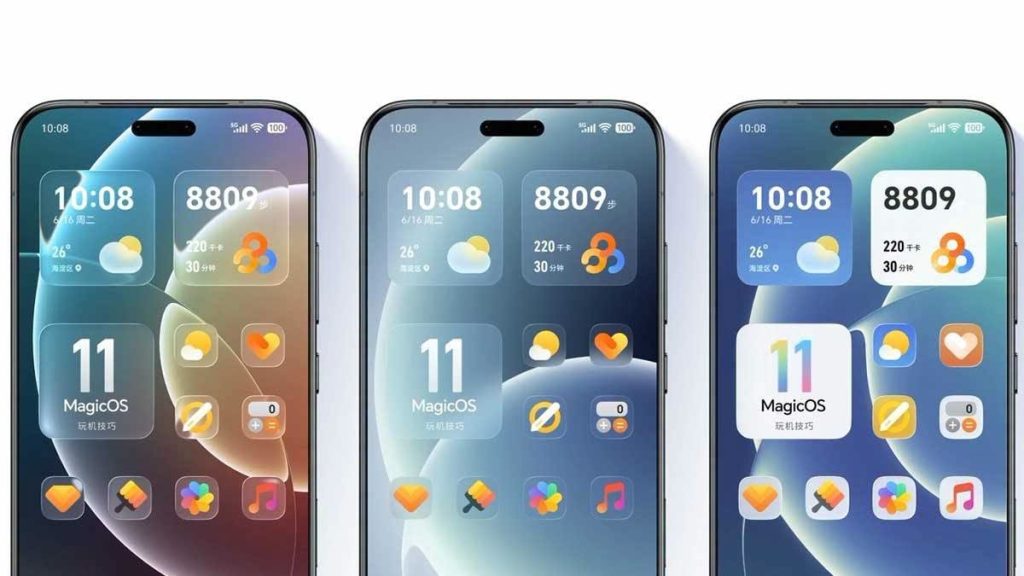
Your notification shade, quick settings, and menus now literally bend light from what’s underneath. This isn’t just eye candy—it creates visual hierarchy. You instantly know which element is in front, which is back. No more cognitive load wondering what’s clickable.
2. Variable Transparency Control
Don’t like the glass effect? HONOR added a slider in personalization settings. You control the intensity. Want it subtle? Turn it down. Want the full immersive effect? Crank it up. Want a traditional solid interface? There’s a “Classic UI Mode” that disables it entirely.
3. Kinetic Responsiveness
Here’s the magic part: your phone’s sensors detect when you tilt the device. The light refraction patterns across the “glass” shift subtly as you move the phone. It’s not a gimmick—it makes the interface feel tactile and aware of your movements.
Latest News: HONOR 600 Philippines Sells Out: Why Filipinos Are Ditching Old Phones for This AI Phone
How It Actually Works (Without the Jargon)
Android 17 Under the Hood
MagicOS 11 runs on Android 17, which brought kernel-level optimizations that HONOR leveraged for something critical: doing more with less power.
Normally, these kinds of visual effects—transparency, blur, light refraction—would crush your battery. But Android 17’s improvements mean the GPU-intensive Liquid Glass rendering doesn’t drain you like it would on older versions.
Smart Capsule: Track Two Things at Once
The “Smart Capsule” is a floating widget that sits on your home screen. In MagicOS 10, it could show one piece of data—like ride-sharing or food delivery status. Now it’s multi-app aware. You can track your Grab ETA and your GCash transaction at the same time, without toggling between apps.
For Filipinos juggling rides and shopping simultaneously, this is legitimately useful.
Thermal-Aware Rendering: Your Phone Stays Cool
Here’s the real innovation: MagicOS 11 monitors your device temperature. When you’re gaming or doing heavy work, the system automatically adjusts the complexity of the glass effects. The Liquid Glass doesn’t disappear—it just becomes smarter about rendering, so your phone doesn’t overheat.
This matters in the Philippines. Our tropical heat is real. A phone that stays cool is a phone that lasts longer and performs better.
What Devices Get It—And When?
Right Now: Pioneer Edition (China Only)
As of June 2026, HONOR has a Pioneer Edition Early Access program running in China. It’s currently testing on the Magic 8 series:
• Honor Magic 8
• Honor Magic 8 Pro
• Honor Magic 8 Pro Air
• Honor Magic 8 RSR Porsche Design
Global Rollout: Late 2026 / Early 2027
HONOR hasn’t officially announced a global release date, but based on typical rollout patterns for Android 17-based software, here’s what we expect:
Q3/Q4 2026 (Stable Release Begins):
• Magic 7 series
• Magic 6 series
• Magic V foldables
Early 2027 (Mid-Range Joins):
• Other newer N-series models
Important Note: Don’t install early access builds on your primary device. They’re testing versions and may have bugs. If you want to try it, use a secondary device and keep checking official HONOR Club forums for regional announcements.
HONOR recently committed to 7 years of Android updates for its Magic series in the EU and UK. This suggests broad device compatibility once the stable version lands—a major departure from previous software support policies.
Related: Honor MagicOS 10 Upgrade Guide — New AI Tools, Release Date, and Eligible Models
Does It Actually Matter? The Tech Patrol Perspective
Here’s what separates hype from reality: Does MagicOS 11 solve problems, or is it just pretty?
Answer: Both.
The visuals are genuinely different—your phone’s interface will feel more premium and responsive. But the engineering behind it is what matters. Thermal management + battery efficiency + multi-app awareness + system-level optimization = a smoother daily experience.
For Filipino users specifically, the thermal-aware rendering is the biggest win. Our heat-heavy climate puts stress on phones. A system that actively manages rendering complexity to prevent overheating extends the lifespan of your device. That’s not a gimmick. That’s engineering.
The Market Shift We’re Seeing
MagicOS 11 represents something bigger: the end of flat interfaces. Apple’s iOS has been moving toward this (glassmorphism, depth, layering). Google’s Material Design is evolving in the same direction. HONOR is saying: we’re not waiting—we’re doing it now, and we’re doing it intelligently.
This is the future of software design. Interfaces will become spatial, responsive, and intelligent about system load. We’re moving away from “pretty menus” toward interfaces that adapt to what your device can actually handle.
Frequently Asked Questions
When will MagicOS 11 be available globally?
No official date announced yet, but expect a stable global rollout starting late 2026. Keep an eye on HONOR’s official channels and the HONOR Club forums for regional beta announcements.
Can I turn off the Liquid Glass effects?
Absolutely. HONOR built in:
• A “Classic UI Mode” (solid colors, traditional interface)
• A “Performance Mode” (minimal rendering)
• A transparency slider for fine-tuning
You’re not forced into the Liquid Glass experience.
How does MagicOS 11 compare to Samsung’s One UI or Xiaomi’s MIUI?
Samsung and Xiaomi have moved toward cleaner, more minimal interfaces. MagicOS 11 goes the opposite direction—toward visual depth and spatial awareness. It’s a different philosophy. Neither is “better,” but MagicOS 11 is more visually distinctive and, from an engineering standpoint, more thermally conscious.
Will my older HONOR phone get it?
Depends on the model. Magic 7 and Magic 6 series should get it in 2026/2027. Older models may not. HONOR’s 7-year update commitment applies mainly to newer Magic series devices.
Does Liquid Glass drain battery?
Not as much as you’d think. Android 17’s optimizations + thermal-aware rendering means the GPU-intensive effects don’t proportionally drain battery the way they would on older Android versions. Still, visual effects always use more power than solid colors—if you’re worried about battery life, use Performance Mode.
The Bigger Picture
Smartphone interfaces have been evolving incrementally for a decade. We’ve gotten better processors, better cameras, better displays. But the way we interact with our phones has stayed the same: tap, swipe, hold. Flat menus. Basic animations.
MagicOS 11 signals that this era is ending.
HONOR is betting that interfaces can be both beautiful and efficient. That real-world physics (glass, light, depth) can translate into digital experiences that feel more natural. That system intelligence—knowing when to render at full fidelity and when to dial it back—is the next frontier.
For Filipino users, this matters because our devices operate in demanding environments: heat, tropical humidity, heavy multitasking. A phone OS that respects those constraints while still delivering visual sophistication is worth paying attention to.
The question isn’t: “Is Liquid Glass a gimmick?”
The real question is: “Is your next phone going to have an interface that adapts to you, or one you have to adapt to?”
MagicOS 11 is betting on the first one.