

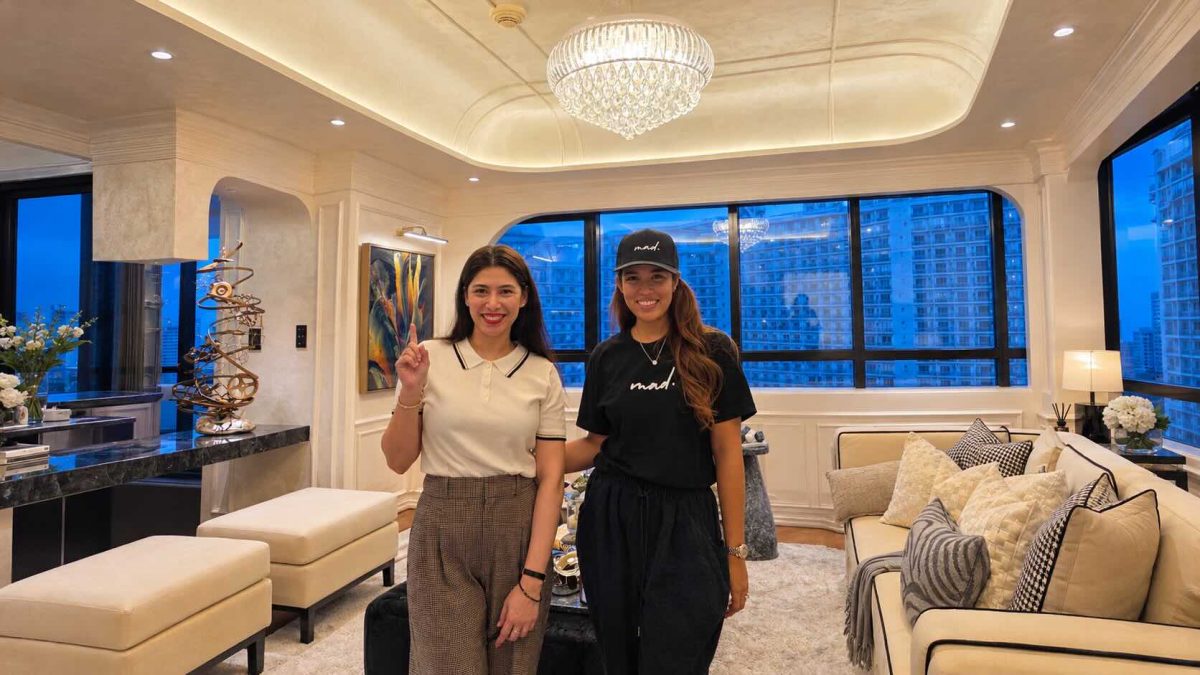
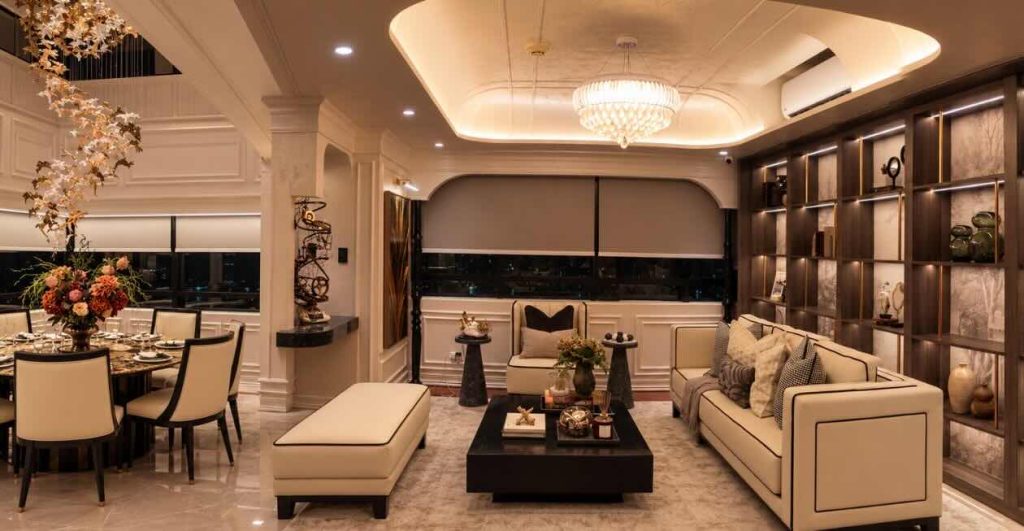
Smart home automation in the Philippines has moved past the “Hey Google, turn on the light” phase. The more interesting work now happens before the first wall gets painted: lighting, curtains, aircon, and entertainment planned as one system that reacts to how a household lives. A recent residential project by Cornerstone Smart Automation and Madhouse Design and Construction Studio shows what that looks like when tech and interior design get planned together instead of bolted on later.
Picture this. You get home from a two-hour EDSA crawl. The lights have already dimmed to a warm evening tone, the curtains are closed against the street, and the bedroom aircon has been running at your preferred setting. Before sleep, one “Good night” turns off the living area, sets the bedroom lights low, and puts the house to rest. That used to be a five-star hotel experience. For homeowners building or renovating today, it is a design decision.
Smart Home Automation Philippines at a Glance
| Feature | What It Does | Why It Matters in a PH Home |
|---|---|---|
| Smart lighting scenes | Shifts from bright daytime light to warm evening tones | Better mood, less fumbling with five switches |
| Automated curtains | Opens or closes with one command or on schedule | Blocks afternoon heat and adds privacy |
| Smart aircon control | Pre-cools rooms and runs on schedules | Comfort on arrival, more control over usage |
| Scenes and automations | Triggers several devices with one command | “Good night” or “Movie time” in a single tap |
| Design integration | Planned with the interior designer from the start | Clean walls, hidden hardware, no gadget clutter |
From Gadgets to a Home That Feels Thoughtful
The first wave of smart homes here was a pile of separate gadgets. A Wi-Fi bulb from one brand, a smart plug from another, three apps on your phone, and a voice assistant that misheard you half the time. It worked, sort of, but it never felt like the house itself got smarter.
The newer approach treats automation as part of the architecture. Cornerstone frames it around one question: how do you want your home to feel every day? That shifts the conversation from “which devices should I buy” to “what should happen at 6 PM when the family gets home.”
Smart lighting in the Philippines is the clearest example. A well-planned lighting setup moves from bright, functional light for cooking and working to softer, warmer light for dinner and winding down. Pair that with automated curtains, and the house adjusts to the time of day without anyone reaching for a switch or a cord.
The technology stays in the background. You notice the result, not the hardware.
Related: Moderno MHD-4500 Smart Toilet Philippines: Price and Specs
Smart Home Scenes and Automations Explained
Scenes and automations are where a smart home starts paying off. A scene groups several actions under one command. An automation runs those actions on its own, based on time, a sensor, or another trigger.
Some examples a Filipino household would use:
- Welcome home: Entry lights on, living room lights at evening warmth, aircon already running.
- Movie night: Main lights dim, curtains close, entertainment system powers on.
- Good night: Common areas switch off, bedroom lights go low, curtains stay shut.
- Hot afternoon: West-facing curtains close at a set hour to cut heat buildup.
Smart aircon control deserves its own mention in a country where the aircon runs most of the year. Pre-cooling a bedroom before you walk in, or scheduling units to switch off once everyone is asleep in a cooler room, gives you comfort and more say over how long the unit runs.
The point is repetition. Any routine you do every day with your hands is a candidate for automation. Entertaining guests gets easier, evenings get calmer, and nobody has to walk the whole house flipping switches before bed.
Interior Design and Smart Home Integration
Here is the part most DIY setups miss. When automation comes in after the interiors are done, you get exposed wires, mismatched switch plates, and hubs sitting on shelves like uninvited guests.
In the featured residence, Cornerstone Smart Automation worked alongside Madhouse Design and Construction Studio from the design stage. Madhouse is led by founder Gila Salvador Arellano, and Cornerstone is led by CEO Malou Tiu, known in the industry as the “Ilaw Queen.” Their joint approach is simple: the technology should support the design, not compete with it.
That matters for lighting most of all. Lighting decides how a room reads at night. Cove lights, pin lights, and accent fixtures look their best when their scenes are programmed with the designer’s intent in mind. A beautiful interior with bad lighting control is half-finished.
Smart Home for New House Philippines vs Smart Home Renovation Philippines
Building new. This is the ideal window. Wiring, control panels, curtain tracks, and fixture placement can all be planned with the architect and interior designer. You avoid chasing walls later, and the system can scale as your needs grow.
Renovating. Still doable. A smart home renovation in the Philippines usually focuses on the rooms you use most: the living area, master bedroom, and entertainment space. Lighting and curtain automation tend to deliver the biggest daily difference, so start there.
Either way, bring the automation team in early. A home automation installer in the Philippines can only work around what the floor plan allows, so the earlier they sit at the table with your designer, the cleaner the result.
Is a Smart Home Worth It in the Philippines?
It depends on what you want from your house. If the goal is owning the most devices, no. That route leads to app overload and features you stop using after a month.
If the goal is a home that runs around your routine, the answer leans yes, especially for families who entertain, work from home, or spend serious money on their interiors. A well-planned system protects that investment by making the space easier to live in, not only nicer to photograph.
The press materials do not list package pricing. Costs for this kind of work depend on the size of the home, the number of rooms covered, and which systems you automate, so expect a project-based quote.
