

- Introduction
- The Problem: Crypto Is Big, but Everyday Use Is Still a Gap
- But Here’s Where It Gets Interesting…
- The Breakdown: What Paytaca Is Doing
- The Bigger Picture: Why This Model Matters
- Impact: What This Means for Filipino Users
- Tech Patrol Insight: The ‘User-Controlled’ Narrative Is Gaining Traction
- Final Thoughts
Introduction
You’re at a local store in Cebu, and instead of swiping a card or opening GCash, the cashier hands you a QR code for Bitcoin Cash. No bank involved. No middleman. Just you, your phone, and a direct transaction. That’s the future Paytaca is building — and it’s already happening across the Philippines.
The Problem: Crypto Is Big, but Everyday Use Is Still a Gap
A lot of Filipinos have heard of Bitcoin. Some have even bought it. But actually using crypto to pay for groceries, coffee, or a meal? That’s a different story.
Most crypto platforms in the country are still built around trading and speculation — not spending. And the ones that do support payments often rely on centralized systems where a company holds your funds, controls your access, and requires personal data just to get started.
That’s a setup that looks a lot like the banks people are trying to move away from.
Related: Paytaca Secures Php24.5M in Seed Funding to Drive Widespread Adoption of Bitcoin Cash in Payments
But Here’s Where It Gets Interesting…
Paytaca, a cryptocurrency payments firm based in Tacloban City, Leyte, is taking a different approach. Instead of building another exchange or custodial wallet, the company is focused on one thing: making Bitcoin Cash usable for real, everyday transactions — on the user’s own terms.
And it’s gaining ground fast.
The Breakdown: What Paytaca Is Doing
Paytaca has signed up more than 300 merchants across the Philippines that now accept Bitcoin Cash as payment. Their expansion footprint includes Ormoc City, Cebu City, and they’re already eyeing Metro Manila and international markets like Taiwan.
What makes their model stand out is the use of non-custodial wallets — meaning you hold your own funds. There’s no company sitting between you and your money. No personal data surrendered. No approval required.
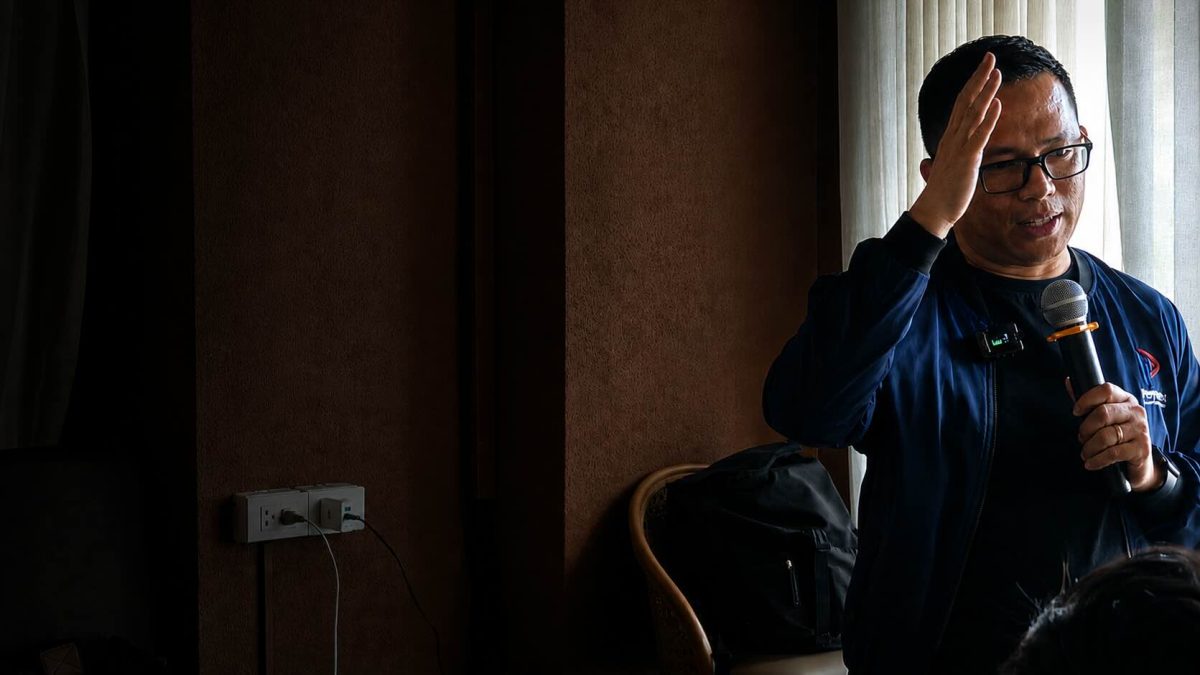
Paytaca CMO Aaron Almadro framed it clearly during a recent presentation:
“Bitcoin Cash functions as a peer-to-peer electronic cash system meant to empower individuals by giving them direct control over their finances.”
The company’s rollout speed is also notable. They onboarded merchants in Ormoc in just three months, then replicated a similar model in Cebu City in six weeks — a pace that suggests the playbook is scalable.
The Bigger Picture: Why This Model Matters
Here’s the real issue with how most crypto is being used today.
The rise of centralized exchanges and stablecoins like Tether (USDT) — while convenient — has quietly pulled crypto back toward the same centralized model it was supposed to disrupt. When a company holds your funds or controls the ledger, you’re trusting an institution again. Just a different one.
Paytaca’s CMO raised this concern directly, warning that these trends risk undermining the core promise of decentralization.
Their answer is to double down on peer-to-peer, user-controlled transactions — the original vision of what crypto was supposed to be.
Impact: What This Means for Filipino Users
For everyday Filipinos, especially in the Visayas where Paytaca has its strongest foothold, this signals a real shift in how crypto can work at the ground level.
You don’t need to be a trader. You don’t need to trust a platform with your savings. You just need a phone and a Paytaca wallet to pay at a growing list of participating stores.
For the unbanked and underbanked — a significant portion of the Filipino population — a non-custodial crypto wallet could function as a genuine financial alternative, not just a speculative asset.
And as merchant adoption grows, the network effect kicks in: more stores mean more reasons to use it, which brings in more users, which attracts more merchants.
Tech Patrol Insight: The ‘User-Controlled’ Narrative Is Gaining Traction
The bigger trend here isn’t just about Bitcoin Cash or Paytaca specifically. It’s about a growing pushback against centralized platforms in the fintech and crypto space.
Globally, users are becoming more aware of what it means to not own your assets. Exchange collapses, frozen accounts, and data breaches have made “not your keys, not your coins” more than a crypto slogan — it’s becoming a mainstream concern.
In the Philippines, where mobile payments are already deeply embedded in daily life through apps like GCash and Maya, the bar for adoption is actually lower than in other markets. Filipinos are already comfortable with QR payments and digital wallets. The friction isn’t the technology — it’s the trust.
That’s exactly the gap Paytaca is trying to fill: a crypto wallet that works like a payment app, but where you stay in control.
Whether Bitcoin Cash is the right underlying network long-term is still a debate in the crypto community. But the model Paytaca is pushing — decentralized, user-owned, merchant-integrated — is the kind of infrastructure the space has been talking about for years.
Leyte-based and Philippines-built, Paytaca is proving it doesn’t take a Silicon Valley address to build something that could change how people pay.
Final Thoughts
Paytaca’s expansion isn’t just a business story — it’s a signal that decentralized, user-controlled finance is moving from theory to reality, one merchant at a time, starting in the Philippines.
The company still has a long road ahead. Getting to 300 merchants is a milestone, but scaling to the point where crypto payments feel as normal as GCash will take significantly more network growth, user education, and regulatory clarity.
But the direction is clear.
Should you switch to Bitcoin Cash for your daily payments — or wait until adoption is wider? That’s the question worth asking as Paytaca continues to grow.


