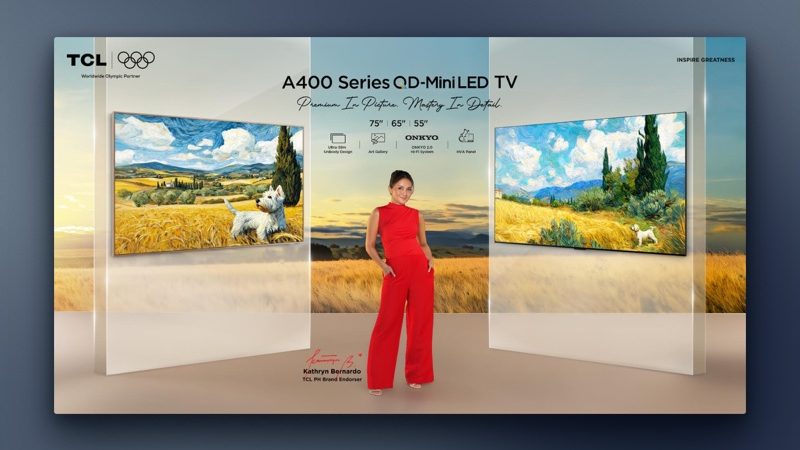
TCL C7L SQD Mini LED TV just hit the Philippines as part of a broader entertainment ecosystem that goes way beyond just a TV. At the “Mastermind of Experiences” launch in Makati, TCL didn’t just show off specs—they built an entire experience around how Filipino families watch, game, and celebrate together. If you’ve been waiting for a premium mid-range TV that doesn’t sacrifice contrast or brightness, this is worth your attention.
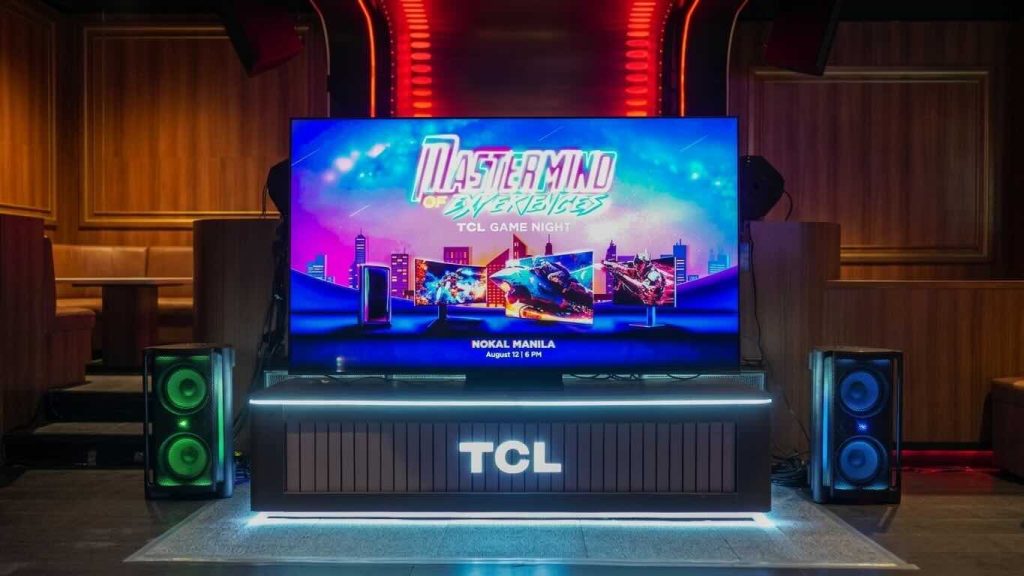
The C7L represents TCL’s push into the premium segment with its SQD (Super Quantum Dot) Mini LED technology, which uses thousands of tiny backlights to deliver dramatically better contrast than regular LED TVs. Think of it as bridging the gap between basic LED and full OLED without the burn-in risk or extreme cost. The announcement also brought three new gaming monitors (G64 and G54) and two powerful party speakers (TP300K and TP200K) to the local market, signaling that TCL is betting big on entertainment beyond traditional TV viewing.
For Filipino buyers in the ₱25,000–₱40,000 range looking for a TV that handles streaming, gaming, and dark room scenes equally well, the C7L is a genuine contender.
TCL C7L Specs & Key Features at a Glance
| Feature | Spec |
|---|---|
| Display Tech | SQD Mini LED (Super Quantum Dot) |
| Backlighting | Thousands of independently dimmable zones |
| Contrast Ratio | Dramatically higher than standard LED |
| Refresh Rate | Up to 144Hz (gaming optimized) |
| Peak Brightness | 450+ nits (local dimming areas) |
| Smart OS | TCL’s Google TV platform |
| Audio | Built-in speakers + Dolby Atmos support |
| Gaming Features | HDMI 2.1, variable refresh rate, low input lag |
| Availability | Select retailers in Philippines (Q3 2026) |
| Estimated Price | ₱TBA (announcement pending) |
What Makes SQD Mini LED Different
If you’ve shopped for TVs in the Philippines, you’ve probably seen the terms “LED,” “QLED,” and “Mini LED” thrown around like they’re interchangeable. They’re not. Here’s the quick breakdown:
Regular LED TVs use a backlight behind the entire screen that’s either on or off. This means blacks never look truly black—they look like dark gray. QLED (Samsung’s branding) adds quantum dot particles to improve color, but the backlight problem stays. Mini LED is where it gets interesting: instead of one backlight, you get hundreds or thousands of tiny backlights that can dim independently. This means when you’re watching a dark scene with a bright object (like a spaceship against a black sky), the TV can keep the black truly black while the spaceship stays bright.
TCL’s SQD technology layers Super Quantum Dots on top of Mini LED backlighting. In practical terms, this means richer colors (deeper reds, more vibrant blues) plus that Mini LED contrast advantage. For gamers, this translates to better visibility in dark gaming scenes. For movie lovers, it’s a night-and-day difference compared to standard LED.
The catch? Mini LED TVs cost more than regular LED but less than OLED. That’s where the C7L sits—premium features at a price that won’t require a second mortgage.
Related: TCL Enters the PH Party Speaker Market: TP200K and TP300K Launched
Gaming and Entertainment Ecosystem
The C7L wasn’t just launched in a vacuum. TCL announced two new gaming monitors alongside it:
TCL G64: The flagship gaming monitor with Precise Dimming Series (Mini LED backlighting), 144Hz native refresh rate, and 450 nits peak brightness. It’s designed to handle both competitive gaming (where refresh rate matters) and everyday productivity (because not everyone plays games 24/7). The Mini LED tech means esports titles with dark environments won’t have the usual washed-out blacks of standard monitors.
TCL G54: A more affordable gaming option with the same 144Hz and Mini LED advantages, though with slightly different dimming zones. Both monitors are marketed as “beyond gaming”—meaning they’re expected to pull double duty as productivity displays and streaming monitors.
For the audio side, TCL launched two new party speakers:
TP300K: 340W maximum audio power, eight dynamic light show presets, and 18 hours of playtime. This is the full-sized party beast—if you’re hosting a gathering, this is what you’ll want blasting. Built-in light show modes sync to the beat, which is either peak party tech or obnoxiously gimmicky depending on your taste.
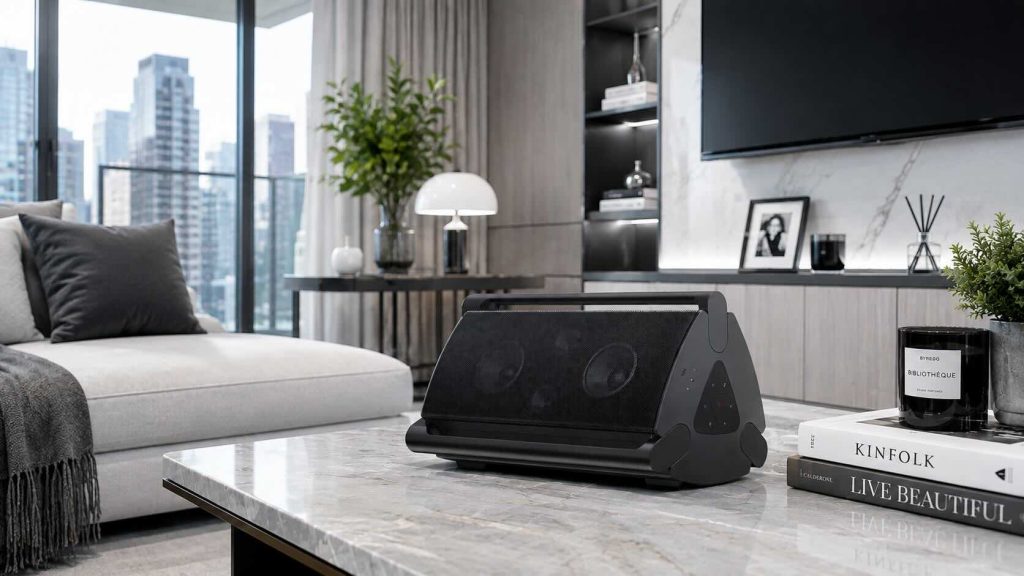
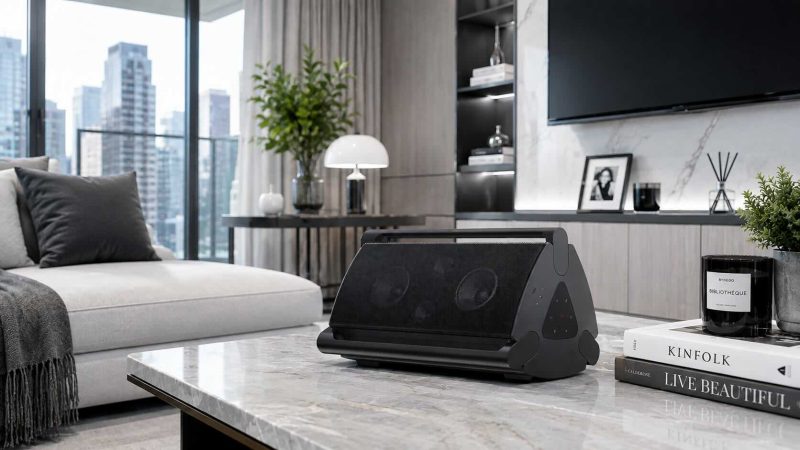
TP200K: 220W power, five light presets, 12 hours playtime. The mid-range option for people who want party-speaker vibes without committing to a full-sized rig.
The pitch from TCL is straightforward: buy the C7L for your main viewing, grab a G64/G54 for gaming or a second screen, and throw in a party speaker for gatherings. It’s an ecosystem play, and it targets Filipinos who treat their home as an entertainment hub.
How This Compares to Other Premium TVs in the Philippines Market
The C7L enters a crowded segment. Samsung’s QN90D series (their Mini LED flagship) is available locally but commands a premium price. LG’s C4 OLED is the darling of contrast lovers, but it starts higher and carries the burn-in risk. Hisense’s U8N uses Mini LED too and is generally cheaper than TCL or Samsung, but TCL’s brand recognition in the Philippines is stronger.
The real competition isn’t necessarily other Mini LED TVs—it’s whether Filipino buyers see value in Mini LED versus dropping the same cash on a larger regular LED TV. A 65-inch standard LED might cost the same as a 55-inch C7L SQD Mini LED. The C7L wins on contrast and gaming performance; the larger LED wins on screen real estate. Your choice depends on whether you prioritize picture quality or size.
For gamers specifically, the C7L’s 144Hz support (via HDMI 2.1) is a genuine advantage if you’re running a PS5 or high-end PC. Most affordable TVs cap out at 60Hz, so this is a meaningful feature.
Philippine Availability and Pricing
At the launch event, TCL positioned the C7L as arriving in “Q3 2026″—which means we’re already in the window. However, specific pricing and exact retail availability haven’t been announced yet. Based on TCL’s pricing strategy for similar products in the Philippines, expect:
- 55-inch C7L: Likely ₱25,000–₱30,000
- 65-inch C7L: Likely ₱35,000–₱42,000
- 75-inch C7L: Likely ₱50,000+
These are educated guesses based on TCL’s typical MSRP-to-street-price conversion and competitor positioning. Once pricing is official, check Shopee for TCL C7L deals and buyer protection. TCL typically offers 2–3 year warranties on TVs sold locally, so factor that into your decision.
The gaming monitors and party speakers will roll out on a similar timeline, with gaming monitors likely in the ₱8,000–₱15,000 range and speakers in the ₱3,000–₱8,000 range.
Who Should Buy the TCL C7L
Get the C7L if:
- You game on a PS5 or PC and want a TV that supports 144Hz gaming
- You watch a lot of movies or shows with dark scenes (Netflix, Disney+) and want true blacks
- You’re upgrading from a basic LED TV and want to feel the difference
- You’re building a room-wide entertainment setup and like ecosystem purchases
- You’re budget-conscious but don’t want to compromise on contrast
Skip it if:
- You mostly watch bright content (sports, news) where Mini LED doesn’t shine as much
- You need the largest possible screen for your budget (a bigger regular LED might serve you better)
- You’re an OLED purist and won’t accept anything less (fair, but more expensive)
- You don’t care about gaming and won’t use the 144Hz features
The Verdict
The TCL C7L SQD Mini LED TV is a solid entry point into premium TV territory for the Philippines. It’s not revolutionary, but it’s a meaningful step up from the budget LED TVs cluttering the market. The SQD Mini LED tech genuinely improves contrast and color, the gaming features are real (not just marketing), and TCL’s local service network is competent.
The ecosystem play (C7L + gaming monitors + party speakers) is smart marketing, but you don’t have to buy everything at once. The TV stands on its own. If you’ve been eyeing premium TVs but balked at Samsung or LG prices, this is worth waiting for pricing confirmation on.
Expect the C7L to roll into major retailers by late September 2026. When it does, check Shopee and your local electronics stores—it’ll be one of the few genuine alternatives to Samsung in the ₱30,000–₱40,000 segment.