You open your phone and, without thinking, you tap Viber. There’s a message from your bank, a promo from your favorite brand, maybe a delivery update. You didn’t plan to check it — but here you are, already engaged.
That habit — that almost automatic reach for Viber — is now showing up in the data in a big way.
Infobip, an AI-first global cloud communications platform, has released its Messaging Trends Report 2026, and the findings for the Philippines are striking. Viber adoption in the Philippines isn’t just growing — it’s surging, and it’s reshaping how brands connect with Filipino consumers.
- The Problem: One Message, One Channel, Zero Engagement
- The Cause: Filipinos Are Demanding More Than a Text Blast
- That’s Where Viber Comes In
- Breaking It Down: The Full Picture From the Philippines Data
- Now Here’s the Bigger Picture: AI Is the Next Frontier
- Tech Patrol Insight: The Philippines Is Now a Messaging Trendsetter
- Final Thoughts: Are Philippine Brands Ready to Meet Consumers Where They Are?
The Problem: One Message, One Channel, Zero Engagement
Think about the last SMS promo you received. Plain text. Generic. No idea if it was even meant for you specifically.
Now think about the last time a brand actually caught your attention on your phone — something that felt personal, relevant, and worth your time.
That gap between “sending a message” and “actually reaching a person” is what most Philippine businesses have been struggling with for years. Consumers are overwhelmed with notifications. Attention is the scarcest resource there is.
But here’s the real issue: while consumers moved on to richer, more interactive apps, many businesses stayed stuck in the old playbook.
That’s finally changing.
The Cause: Filipinos Are Demanding More Than a Text Blast
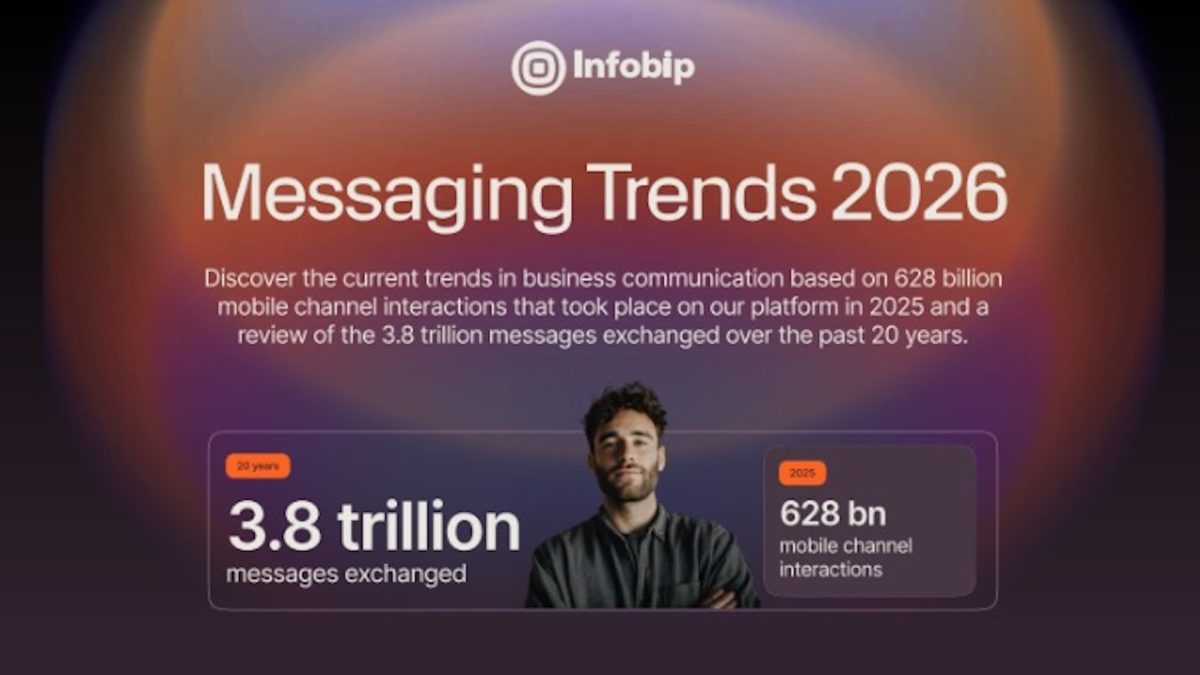
Infobip’s 2026 report is no small study. It draws on 628 billion mobile interactions in 2025 and a 20-year historical review of 3.8 trillion messages — one of the most comprehensive analyses of mobile messaging ever released.
The headline number for the Philippines? Total interactions on the Infobip platform grew 19% year-on-year. But dig deeper, and the real story emerges.
Mobile messaging app interactions in the Philippines didn’t just grow — they surged 139%. That’s not a trend. That’s a behavioral shift. Filipino consumers are moving — fast — toward channels that feel less like broadcasts and more like conversations.
That’s Where Viber Comes In
Of all the messaging apps gaining ground in the Philippines, Viber stands tallest.
According to the report, Viber grew 47% year-on-year, cementing its position as the country’s dominant messaging platform. This tracks with what Rakuten Viber itself confirmed earlier this year: the Philippines is one of Viber’s top five markets worldwide, with Filipino monthly active users growing 21% in 2024, and nearly 3 in 10 Filipinos saying they increased their Viber usage over the past six months.
“Viber’s growth is particularly significant. It remains the dominant messaging platform in the Philippines, and the brands that are leveraging it intelligently through personalized, timely, and relevant messages are seeing real results in customer loyalty and engagement,” said Guray Ozturk, Head of Customer Growth APAC at Infobip.
But Viber isn’t the only story here.
Breaking It Down: The Full Picture From the Philippines Data
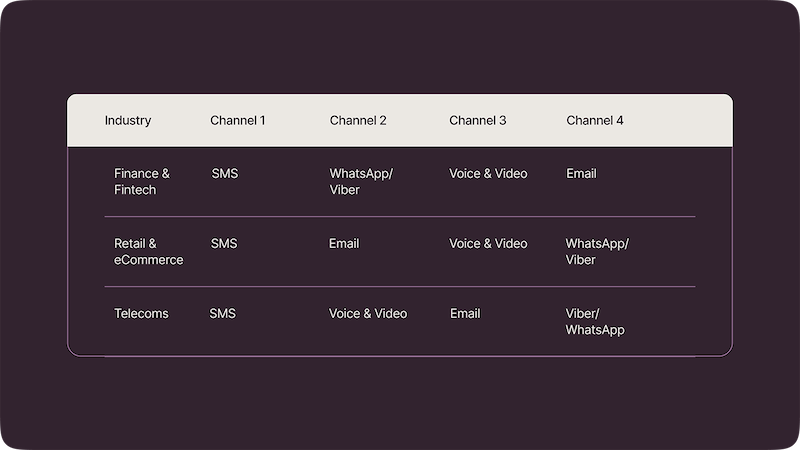
The report’s Philippines findings reveal just how fast the messaging landscape is diversifying:
Viber: +47% growth — Still the top messaging app in the country, and businesses are now using it as a serious customer engagement channel, not just a social app.
WhatsApp: +1,416% growth — Yes, that number is real. WhatsApp is exploding as a business communication tool in the Philippines, signaling that consumers here are open to multi-app engagement with brands.
Other chat apps: +1,014% increase — A signal that Filipino consumers aren’t loyal to just one platform. Brands that want to reach them need to be where they are — across multiple channels.
SMS: +14% growth — Far from dead. SMS remains a stable, trusted channel, especially for OTPs, transaction alerts, and time-sensitive messages where reliability is non-negotiable.
MMS and Email: +15% and +5%, respectively — Steady, supporting channels in the broader mix.
The overall picture is clear: single-channel communication is no longer enough. The Philippines is now a multi-platform, multi-format messaging market — and the brands winning here are the ones showing up everywhere their customers are.
Now Here’s the Bigger Picture: AI Is the Next Frontier
The report doesn’t just look at channels. It looks at what’s powering them — and that’s increasingly AI.
“The Philippines has always been a mobile-first market, and what we’re seeing now is the next evolution of that. Filipino consumers want to have conversations with brands. The data shows that businesses here are beginning to recognize this shift and are investing in AI-powered omnichannel engagement strategies that go well beyond traditional channels like SMS and email,” said Ozturk.
Infobip is putting its money where its data is with the launch of AgentOS — a fully managed, AI-native platform where AI agents, data, channels, and customer intent converge to decide what happens next in every interaction. It allows AI agents to operate autonomously across SMS, RCS, email, Viber, WhatsApp, voice, and more — adapting in real time based on each customer’s context.
Globally, the report also highlights RCS as one of the fastest-growing channels, with traffic growing 3x worldwide and North America alone seeing a 70x surge. As more devices support RCS and more brands adopt it, the Philippines — already one of APAC’s standout RCS growth markets — is well-positioned to benefit.
Tech Patrol Insight: The Philippines Is Now a Messaging Trendsetter
What jumps out from this report is just how far ahead Filipino consumers are compared to how slowly some local businesses have adapted.
A 139% surge in messaging app interactions doesn’t happen because brands led the way. It happened because Filipino consumers demanded it. They started using Viber, WhatsApp, and other apps to engage with businesses — and the businesses that listened are now seeing the results.
The brands winning in the Philippines right now aren’t the biggest — they’re the most responsive. They’re meeting customers on Viber with personalized offers. They’re using WhatsApp for conversational support. They’re leveraging AI to make every interaction feel less like a campaign and more like a chat.
For SMEs especially, this is both a challenge and an opportunity. The tools are accessible. The platforms are already on your customers’ phones. The question is whether your business is ready to show up on them — or whether you’re still sending plain text into the void.
The businesses that will lead in 2026, as Infobip puts it, are not the ones that adopted AI first — but the ones that have integrated it across the full customer lifecycle.
Final Thoughts: Are Philippine Brands Ready to Meet Consumers Where They Are?
Viber adoption in the Philippines is surging — 47% growth, with no signs of slowing down. WhatsApp is exploding. Messaging app interactions overall shot up 139%. The data from Infobip’s Messaging Trends Report 2026 makes one thing undeniable: the Filipino consumer has moved on from plain SMS blasts, and they’re not coming back.
The real opportunity now is for Philippine businesses — big and small — to catch up. To use Viber not just as a chat app, but as a customer engagement engine. To treat WhatsApp as a legitimate business channel. To let AI help personalize the conversation at scale.
So here’s the question worth sitting with: Is your brand already on the channels where your customers are spending their time — or are you still waiting to make the move?