This is going to be controversial. But I need to say it.
Stop buying smartphone camera kits. They’re expensive distractions designed to make you feel like you need more than what you already have.
Here’s what I believe: Let your phone be a phone. It already takes good photos and records good videos. If you want to take photos like a professional photographer, then invest in a professional camera—a real DSLR, mirrorless, or dedicated system. Not a clip-on accessory.
But the smartphone makers have figured out how to monetize photographer insecurity. And they’re getting very, very good at it.
- The 3D Glasses Playbook (Still Happening)
- 2026’s Smartphone Camera Kit Trap
- Vivo X300 Series (Photography Kit)
- OPPO Find X9 Ultra (Just Launched in PH)
- Insta360 Ace Pro 2 (Instant Print Bundle)
- The Core Problem: Smartphones Are Already Winning
- The Three Categories (And How to Think About Them)
- My Take: The Rule Is Simple
- The Two-Device Philosophy
- What About Action Cameras? (The Exception That Proves the Rule)
- The Real Talk
- What to Actually Do
- 💬 Your Turn
The 3D Glasses Playbook (Still Happening)
Remember when the 3D craze died? Everyone—TV manufacturers, movie studios, tech companies—was convinced 3D was inevitable. It wasn’t. It failed because it added friction to something that already worked perfectly fine.

The same thing is happening right now with smartphone camera kits. But this time, the phone makers are more sophisticated about it.
The pattern is always the same: Take something that works. Add an accessory. Market it as a “professional upgrade.” Watch consumers buy out of insecurity and FOMO.
Your smartphone camera doesn’t need a clip-on lens. It doesn’t need a grip. It doesn’t need a printer attached to it. It needs to be simple, convenient, and reliable.
2026’s Smartphone Camera Kit Trap
In the last 6 months, I’ve watched smartphone makers push expensive “photography ecosystems.” Let me break down what’s actually happening:
Vivo X300 Series (Photography Kit)
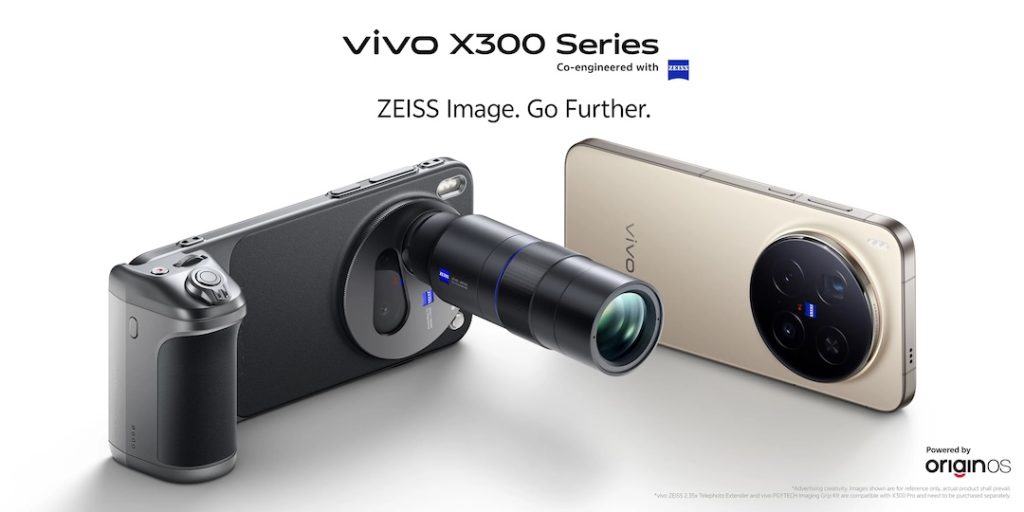
Vivo launched the X300 Pro globally with an optionalZeiss APO 2.35x telephoto extenderlens. Here’s what you get: A bayonet-mount case, a 2300mAh battery grip with physical shutter button, zoom lever, exposure dial, and a video record button. The detachable lens + grip + case combo is sold separately.
The reality:You’re paying €599 (~$650 USD) for a photography kit accessory when the phone already has a 200MP Zeiss telephoto built-in. The kit makes the phone heavier and more complicated. Yes, the 200mm and 400mm extenders give you optical zoom, but at what cost to convenience?
Kit Price: €599 | Phone Price: €1,999
OPPO Find X9 Ultra (Just Launched in PH)
OPPO just brought the X9 Ultra to the Philippine market—the first Find X Ultra to go global. It features a quad-camera system co-developed with Hasselblad: 200MP main camera (1/1.12-inch), 200MP portrait telephoto (3x), 50MP ultra-wide, and a50MP 10x optical periscope telephoto. 8K video at 30fps. The entire system is built-in—no external lenses, no clip-on accessories, no separate grips. Everything you need is engineered into the phone.
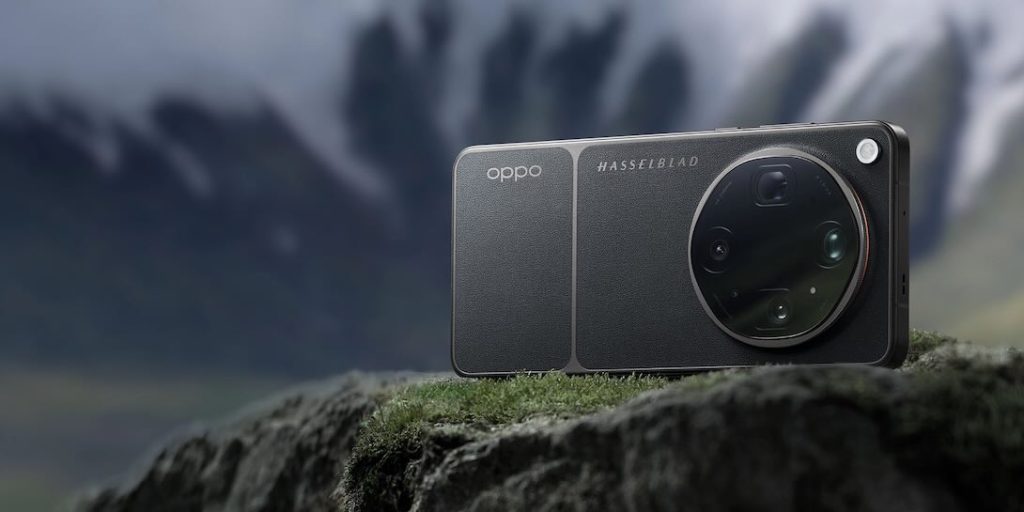
The reality: OPPO made the smart move from a design perspective. No kit. No friction. They engineered the phone to BE the professional tool.
But here’s the problem:The Find X9 Ultra is priced at PHP 129,999—the exact price range of a professional full-frame DSLR camera in the Philippine market.
For that price, you could buy a used Sony A7 IV or Canon R5 that will demolish this phone’s photography capabilities in every meaningful way.
You’re paying DSLR prices for a phone camera—just without the option to swap lenses or shoot RAW like a real professional system.
Phone Price: PHP 129,999 (~$2,300 USD) | Entry DSLR Price: PHP 120,000-150,000
Insta360 Ace Pro 2 (Instant Print Bundle)
This is where it gets absurd. Insta360 launched a Pocket Printer accessory for their action camera. Yes, you can now print photos instantly from your action camera using a Bluetooth-connected dye-sublimation printer.
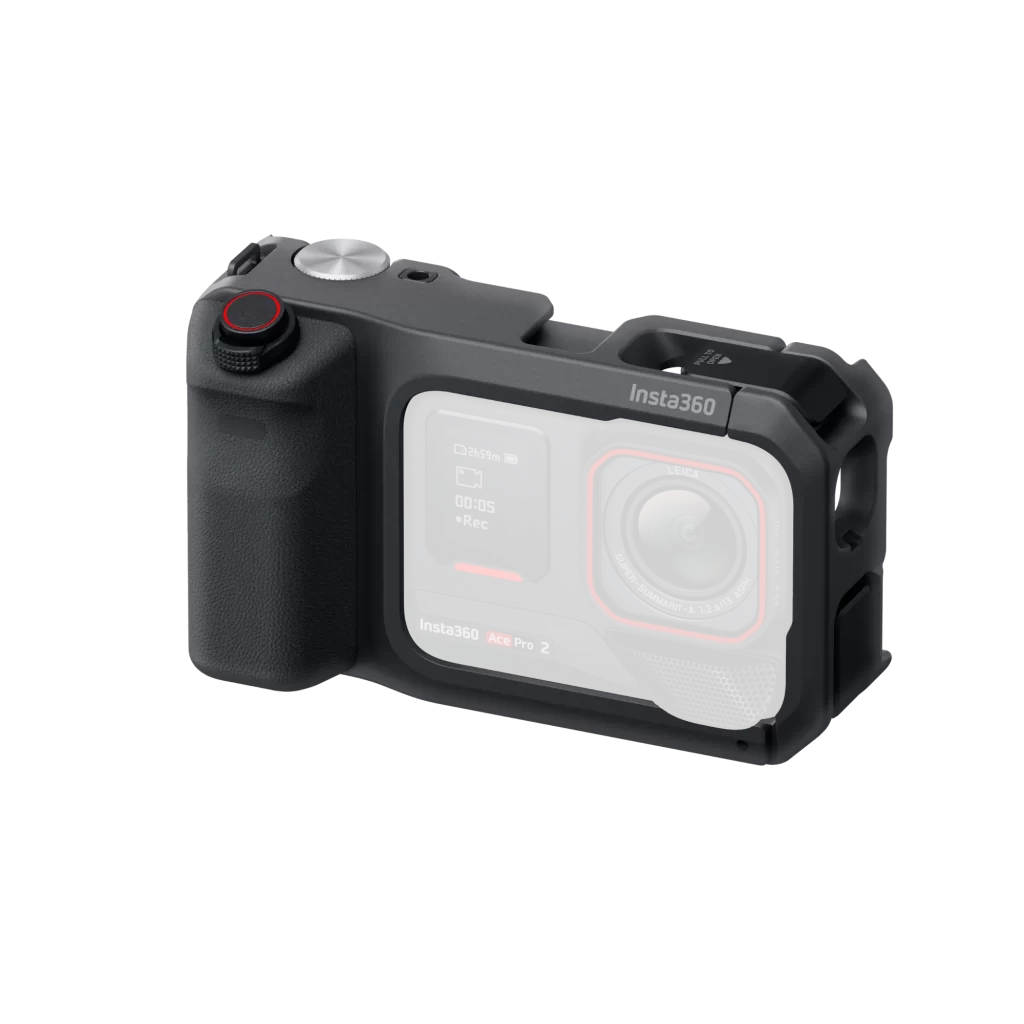
Xplorer Grip Pro Kit: Built-in 2010mAh battery, exposure controls, 1-2x slide zoom, physical shutter button. Pocket Printer: 3-inch prints, dye-sublimation technology, laminated photos, but includes a fixed Insta360 watermark you can’t remove.
The reality: This is ecosystem lock-in disguised as innovation. You’re buying a camera, a grip, a printer, lenses, and filters. The “Flash Print Bundle” costs $579.99. The “Ultimate Videography Bundle” costs $739.99. You’re paying professional camera prices for an action camera because the ecosystem is designed to extract maximum spending.
Camera Only: $399 | Flash Print Bundle: $579.99 | Ultimate Bundle: $739.99
⚠️ Here’s what none of these companies will tell you: A phone like the OPPO Find X9 Ultra costs PHP 129,999 in the Philippines. For that money, you could buy a used Sony A7 IV or Nikon Z6 that will out-perform it in every meaningful way. By the time you buy the Vivo phone ($1,200–$2,300 USD), the photography kit ($500–$750), the grips, lenses, batteries, and printer paper, you’ve spent more than entry-level professional cameras that actually do the job.
The Core Problem: Smartphones Are Already Winning
Your phone already takes professional-quality photos.
Seriously.
The iPhone 17 Pro, Galaxy S25 Ultra, Vivo X300 Pro, and OPPO Find X9 Ultra all produce stunning imagery out of the box. Colors, detail, low-light performance, video stabilization—it’s all there.
In 2024, smartphones became the first device category to outsell dedicated cameras by a factor of 10:1. That’s because phones got so good that casual users (95% of the market) have zero reason to carry a separate device.
The problem is that smartphone makers now face market saturation. Everyone has a great camera phone. So they’re inventing problems to sell you solutions.
“Your camera is already amazing. Want to make it more amazing? Buy a kit. Buy a printer. Buy lenses.”
This is insecurity marketing. And it works.
The Three Categories (And How to Think About Them)
Stop lumping everything into one bucket. There are actually three distinct categories, and you need to understand which one solves your actual problem:
| Category | What It Does | The Honest Truth | When to Buy |
|---|---|---|---|
| Smartphone Camera Kits (clip-ons, grips, printers) | Add lenses, batteries, control interfaces to your existing phone camera | Adds friction to something that already works. Expensive. Makes your phone feel like a camera, not a phone. | Almost never. You’re buying convenience you’ll use once and regret. |
| Built-In Professional Systems (Vivo kit, OPPO quad camera) | Phone manufacturer pre-engineers professional-grade gear into the phone | Better than clip-ons, but you’re paying for features most people will never use. Great if photography is your hobby. | If you’re serious about mobile photography AND you don’t need portability. |
| Action Camera Kits (GoPro, DJI, Insta360) | Complete ecosystem of mounting, stabilization, audio, and specialized accessories | These actually solve real problems. Action cams need mounts, batteries, and audio solutions. These aren’t optional extras—they’re necessary. | If you’re capturing extreme sports, vlogging, or professional content creation. |
| Professional Cameras (DSLR, mirrorless, dedicated systems) | Purpose-built tools for photography and video professionals | Expensive, but they actually deliver professional results. Interchangeable lenses, RAW capture, color science, optical quality that smartphones can’t touch. | If you want REAL professional results and you’re willing to invest the time and money. |
My Take: The Rule Is Simple
The Two-Device Philosophy
Get one phone that does everything well for everyday use. Don’t buy kits for it. Don’t buy clip-on lenses. Don’t buy Bluetooth printers for it.
If you want professional results, get a real professional camera. A used Sony A7 IV, Canon R5, or Nikon Z9 will out-perform any smartphone + kit combo at a fraction of the cost.
Trying to make a phone do both jobs perfectly is like trying to drive a sportscar and a pickup truck at the same time. You end up with neither.
Here’s the honest math:
- Vivo X300 Pro + Photography Kit: €1,999 + €599 = €2,598 (~$2,800 USD / ~PHP 155,000)
- OPPO Find X9 Ultra (all-in, Philippines): PHP 129,999 (no kit, but phone-only system)
- Used Sony A7 IV + kit lens (Philippines): ~PHP 85,000-110,000 (shoots RAW, has full-frame sensor, actually professional)
- New Canon EOS R5 + RF 24-105mm (Philippines): ~PHP 140,000-180,000 (shoots 8K, has pro color science, weather sealed, career-grade)
The choice is obvious.
If you’re going to spend $2,500+, you should be buying a professional camera, not a phone with accessories.
What About Action Cameras? (The Exception That Proves the Rule)
I need to be clear: Action camera kits are different. I’m not saying you should skip them.
Action cameras need ecosystem components because you’re mounting them on helmets, surfboards, drones, and cars. You need:
- Mounting systems (adhesive, clip, strap attachments)
- Stabilization gear (gimbals, mounts, quick-release systems)
- Audio solutions (wind protection, wireless mics)
- Extended batteries (because action conditions drain power fast)
These aren’t nice-to-haves. They’re essential. When Insta360 released the Xplorer Grip Pro Kit with a built-in 2010mAh battery delivering up to 5 hours and 40 minutes of non-stop shooting, they were solving a real problem. Extended shooting time is critical for adventure content.
The action camera market is actually growing 10-15% annually because the kits solve legitimate problems. The sports and adventure application segment represents around 61.2% of the global market, supporting product refresh cycles and accessory ecosystems.
That’s the difference: Action camera kits complete a specialized ecosystem. Smartphone camera kits try to enhance something that’s already complete.
The Real Talk
Smartphone makers are facing a hard truth: They’ve already won. Your phone is so good that you don’t need to upgrade every year. It doesn’t need accessories. It doesn’t need a “photography ecosystem.”
But quarterly earnings don’t care about that. So they’re inventing problems and selling you solutions.
Vivo says: “Your X300 Pro needs a Zeiss teleconverter kit.” No, it doesn’t. Your phone already has 8x zoom and professional optics.
OPPO says: “The Find X9 Ultra is a professional photography device.” It’s better, but at $1,299+, you’re paying professional camera prices for a phone camera. If you’re willing to spend that much, buy a professional camera.
Insta360 says: “Your action camera needs a printer.” That’s a cool feature, but it’s not essential. It’s nice-to-have that turns a $400 camera into a $700+ ecosystem.
What to Actually Do
Buy a phone that takes good photos. Every flagship phone in 2026 does this. Don’t buy a kit for it. Don’t buy accessories. Use what you have.
If you want professional results, buy a professional camera. Mirrorless is where the market is now. Full-frame sensors, interchangeable lenses, RAW capture, proper color science. Yes, it’s more expensive. Yes, it’s more complicated. But it’s the real thing.
If you want to vlog or capture extreme sports, buy an action camera. But buy it with the kit. Because action camera kits aren’t accessories—they’re the foundation of a complete system.
Let your smartphone be a smartphone. It’s already great at that job.
💬 Your Turn
Do you use smartphone camera kits? Or do you think they’re an expensive waste? Drop your honest take in the comments below.
Additional resources:
Insta360 One R vs Insta360 One X2