- Introduction
- A New Era for Siri and Apple Intelligence
- Smarter Features Across the Entire Ecosystem
- Privacy-First AI Approach
- New Parental Controls and Screen Time Tools
- Faster, Smoother Performance Across Devices
- Broader Software Updates Across Platforms
- Availability and Device Support
- Why This Matters for Users
- Tech Patrol Insight
- Final Thoughts
Introduction
If you’ve ever felt like your phone assistant wasn’t quite “smart” enough, Apple is aiming to change that. The Apple Intelligence and Siri AI WWDC26 announcement introduces a major leap in how devices understand, assist, and interact with users across everyday tasks.
A New Era for Siri and Apple Intelligence
Here’s the big shift: Apple is rebuilding Siri from the ground up. The new Siri AI is designed to be more intelligent, context-aware, and capable of handling tasks across apps. It can understand what’s on your screen, pull insights from your messages, emails, and photos, and even fetch real-time information from the web to deliver more useful responses.
This makes Siri less of a voice assistant—and more of a true digital companion.
Smarter Features Across the Entire Ecosystem
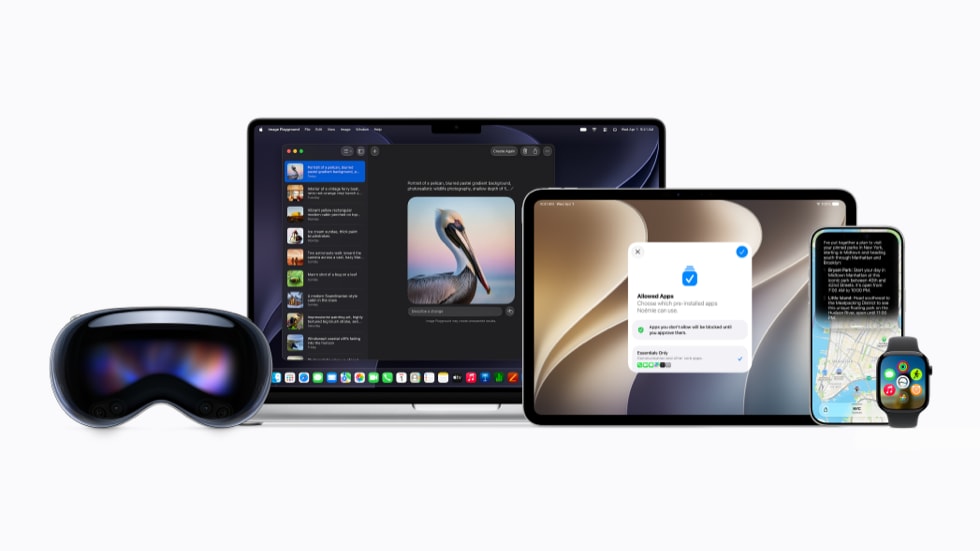
The next generation of Apple Intelligence isn’t limited to Siri. It powers new features across apps like Photos, Messages, Mail, and Safari. Users can expect smarter search, better content suggestions, and enhanced creative tools like Image Playground, which allows for high-quality image generation.

Everything is designed to simplify daily tasks while keeping the experience fast and intuitive.
See also: Should You Install iPadOS 26.5 Beta? (Real Pros, Cons, and Risks in 2026)
Privacy-First AI Approach
Apple is emphasizing a privacy-first architecture. The system is built to protect personal data while still delivering advanced AI capabilities. This means users can benefit from intelligent features without sacrificing control over their information.
New Parental Controls and Screen Time Tools
Apple is also expanding its focus on family safety. New parental controls allow parents to manage what kids can access, who they can communicate with, and how long they can use certain apps. Features like communication safety and app approval systems give parents more control over their children’s digital environment.
Faster, Smoother Performance Across Devices
Performance improvements are another major highlight. Apps now launch faster, photos load quicker, and file transfers are significantly improved. These enhancements aim to make everyday interactions smoother across iPhone, iPad, Mac, Apple Watch, and Apple Vision Pro.
Broader Software Updates Across Platforms
The updates extend across Apple’s ecosystem, including iOS 27, iPadOS 27, macOS 27, watchOS 27, visionOS 27, and tvOS 27. New features include improved search experiences, better multitasking, enhanced health tracking, and more personalized customization options.
Availability and Device Support
The new features are currently available for developers, with a public beta expected soon. Full rollout is scheduled for later this year as a free software update. Apple Intelligence will be supported on newer devices, including iPhones starting from the iPhone 15 Pro and newer models, as well as M1-powered iPads and Macs.
Why This Matters for Users
This update signals a major shift in how smartphones and devices will function moving forward. Instead of isolated apps, users are getting a more connected and intelligent system that understands context and intent.
For everyday users, this means less friction and more automation in daily tasks.
Tech Patrol Insight
Apple’s approach to AI is different from competitors. Instead of focusing purely on generative AI hype, Apple is embedding intelligence directly into the user experience. The combination of privacy, ecosystem integration, and contextual awareness could make this one of the most practical implementations of AI in consumer tech.
This also sets the stage for stronger competition in the AI space, especially among smartphone ecosystems.
Final Thoughts
The Apple Intelligence and Siri AI update at WWDC26 isn’t just another software upgrade—it’s a foundational shift in how Apple devices operate. By making AI more personal, contextual, and private, Apple is redefining what users can expect from their devices in the years ahead.