Introduction
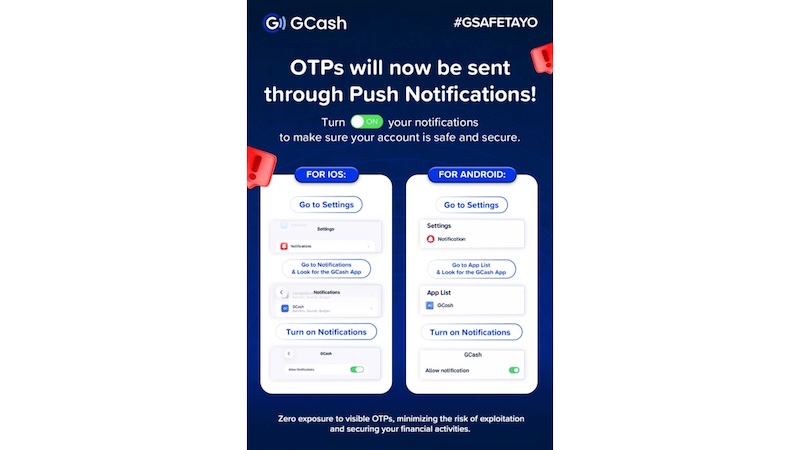
If you’ve ever received a suspicious OTP message out of nowhere, you already know how risky SMS-based authentication can be. That’s exactly what the GCash In-App OTP rollout 2026 aims to eliminate, as GCash officially shifts to push notification-based verification to combat phishing scams and fraud.
Why GCash Is Phasing Out SMS OTPs
Here’s the reality: SMS OTPs have become one of the weakest links in digital security. Scammers have long exploited them through phishing, SIM swap attacks, and social engineering tactics. By moving authentication inside the app, GCash removes that vulnerability entirely and ensures that only verified users can access OTPs.
BSP Directive and AFASA Compliance
This transition isn’t just a product upgrade—it’s part of a nationwide push for stronger cybersecurity. The move aligns with the directive of the Bangko Sentral ng Pilipinas under the Anti-Financial Account Scamming Act, which mandates the phaseout of SMS-based OTPs by June 2026. The goal is clear: reduce financial fraud and protect Filipino users in an increasingly digital economy.
How the New In-App OTP Works
Instead of receiving a code via SMS, users will now get a secure push notification directly inside the GCash app. This enables instant, one-tap authentication without switching apps or manually entering codes. The process is not only safer—it’s also faster and more seamless for everyday transactions.
A Shift Toward Multi-Layered Security
The In-App OTP system is part of GCash’s broader adoption of Multi-Factor Authentication (MFA), a security standard that adds multiple layers of protection. Even if a password or MPIN is compromised, MFA significantly reduces the chances of unauthorized access.
GCash has already implemented several protective measures, including KYC verification and facial recognition through its Double Safe feature. The new OTP system builds on these layers, strengthening security without adding friction to the user experience.
Industry Perspective
Miguel Geronilla, Chief Information Security Officer of GCash, described the shift as a strategic move to eliminate phishable OTPs. By moving authentication directly into the app, GCash ensures that verification requests are securely delivered and used only by legitimate account holders.
Why This Matters for Filipino Users
This upgrade comes at a critical time. As more Filipinos rely on digital wallets for payments, transfers, and daily transactions, the risks associated with cyber fraud continue to grow. Removing SMS OTPs significantly reduces exposure to common scams, making digital finance safer for millions of users.
Tech Patrol Insight
This move signals a major shift in how digital finance platforms approach security in the Philippines. Instead of relying on outdated systems like SMS, platforms like GCash are moving toward app-based ecosystems where identity, authentication, and transactions are tightly controlled.
For users, this means fewer vulnerabilities. For the industry, it raises the bar. Expect other financial platforms to follow this model as regulators push for stronger safeguards across the board.
Final Thoughts
The GCash In-App OTP rollout isn’t just a feature update—it’s a necessary evolution in digital security. By removing one of the most exploited entry points for scammers, GCash is making a strong case for safer, smarter financial transactions in the Philippines.
As fraud tactics become more sophisticated, innovations like this will play a key role in protecting users and building trust in the country’s growing digital economy.