Introduction
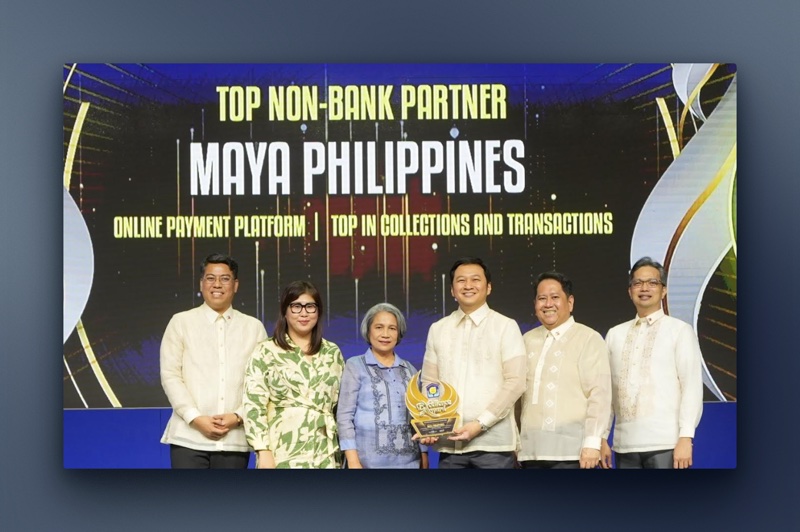
If you’ve ever lined up just to pay your Pag-IBIG contribution, you know how time-consuming government transactions used to be. That’s exactly what Maya Virtual Pag-IBIG payments are helping change, as Maya continues to power seamless digital collections—earning recognition as a Top Collecting Partner of the Pag-IBIG Fund for the third consecutive year.

The Shift to Digital Government Payments
Here’s the reality: more Filipinos are moving their financial transactions online, and government services are catching up. Platforms like Virtual Pag-IBIG are making it easier to manage contributions, apply for loans, and complete payments without stepping into a branch.
Maya plays a critical role in making that shift possible.
Strong Growth in Digital Transactions
The numbers tell the story. In 2025 alone, Maya processed over 3.5 million Pag-IBIG transactions, totaling more than ₱24 billion. That represents nearly 20% growth in transaction volume and over 38% growth in value compared to the previous year.
This surge reflects one thing: Filipinos are increasingly trusting and adopting digital payment channels.
What Virtual Pag-IBIG Enables
Launched in 2022, Virtual Pag-IBIG has become a key platform for members looking for convenience. It allows users to access services anytime through mobile devices or computers, including managing contributions, applying for housing loans, and making payments online.
With over 13.81 million downloads as of 2025, it’s clear that digital access is no longer optional—it’s expected.
Supporting Housing and Financial Access
This digital adoption supports the broader mission of Pag-IBIG Fund. In 2025, the agency recorded ₱160.41 billion in savings collections and released ₱140.54 billion in housing loans, helping over 90,000 Filipino families.
It also declared a record ₱64.34 billion in dividends, marking the highest payout in its history. These milestones show how digital systems can scale impact when combined with strong institutional programs.
See also: How to Apply for the Maya Black Credit Card: A Complete Guide for Filipinos
Industry Perspective
Pag-IBIG Fund CEO Marilene Acosta emphasized that digital platforms like Maya are key to making services more accessible, especially for overseas Filipinos. Meanwhile, Maya Group President Shailesh Baidwan highlighted how digital channels allow users to manage contributions, payments, and savings programs like MP2 anytime, anywhere.
Building the Backbone of Digital Payments
Maya’s role goes beyond just processing transactions. It acts as a payments backbone for enterprises and government agencies, enabling secure collections across both online and offline channels.
Its infrastructure supports a wide range of users—from large institutions to small businesses—helping them accept payments, manage collections, and serve customers more efficiently.
Related: Pag-IBIG Contributions for Freelancers and Self-Employed in 2025: How Much, How to Pay, and Why It Matters
Why This Matters for Filipinos
This isn’t just about convenience—it’s about access.
For many Filipinos, especially those working abroad or living far from branches, digital platforms remove barriers. They make essential services faster, more accessible, and less stressful.
And that’s a major shift in how public services are delivered.
Tech Patrol Insight
This recognition highlights a bigger trend: the digitization of government services in the Philippines is accelerating—and fintech players like Maya are at the center of it.
By acting as infrastructure providers, companies like Maya are not just offering apps—they’re enabling entire ecosystems. The partnership with Pag-IBIG shows how public and private sectors can work together to modernize financial services at scale.
Expect more government agencies to follow this model as digital adoption continues to rise.
Final Thoughts
Maya’s third consecutive recognition as a Top Collecting Partner isn’t just an award—it’s proof of a growing shift toward digital-first public services.
As more Filipinos embrace online platforms, partnerships like this will play a crucial role in making everyday transactions simpler, faster, and more accessible for everyone.