You’re scrolling Lazada at midnight, phone battery already sitting at 12 percent, hunting for a replacement that doesn’t force you to pick between “looks nice” and “I can actually afford it.” That exact gap is what the Nothing Phone (4b) Philippines price of ₱21,990 was built to close, and it’s finally official.
- Phone Name Here
- The Problem: Budget Phones All Look and Feel the Same
- The Cause: Why "Different" Usually Means "Expensive"
- The Solution: Nothing Phone (4b) Brings the "A" Series Look Down a Price Tier
- The Breakdown: Confirmed Specs, Pricing, and Where to Buy
- The Technology Layer: Why Telco Compatibility Actually Matters Here
- The Impact: What This Means for Filipino Buyers
- Tech Patrol Insight
- Final Thoughts
- Sources
Phone Name Here
PH LAUNCHFor years, Filipino budget-phone shoppers have had two choices. Buy something cheap that looks like every other black slab on the LRT, or stretch the budget for a phone that photographs well for the 'gram but drains a paycheck. Nothing just told the market it isn't picking a side anymore.
The Problem: Budget Phones All Look and Feel the Same
Walk into any mall kiosk in Metro Manila and count how many phones under ₱25,000 actually stand out. Most don't. They run the same recycled glass-back designs, the same camera bump shapes, the same "premium-inspired" marketing copy that means nothing once the box is opened. For a market where a phone upgrade is often a once-every-two-to-three-years family decision — not an impulse buy — that sameness matters more than brands admit.
Here's where it gets interesting. Filipino buyers aren't just shopping on specs sheets anymore. They're shopping on identity. A phone is the thing people see you holding at the sari-sari store, in a Grab, during a family reunion. Design has quietly become a purchase driver, not a luxury add-on — and the ₱15,000 to ₱25,000 bracket, the single busiest price band in the local market, has been starved of anything that looks genuinely different.
The Cause: Why "Different" Usually Means "Expensive"
Transparent backs, glowing accent lighting, unconventional camera layouts — these design choices typically cost more to manufacture and justify premium pricing. That's exactly why Nothing kept its signature look, the transparent shell and Glyph lighting strip, locked to its pricier A-series and flagship Phone (3) line, while its budget arm, the separately branded CMF, handled the low end with plainer, cost-driven designs.
But here's the real issue: rising component costs made that two-brand strategy harder to sustain. Nothing's co-founder for the CMF sub-brand publicly confirmed the company shelved a planned CMF Phone 3 because keeping its target specs would have pushed the price above what the segment could reasonably bear. Rather than compromise on that phone, Nothing made a bigger structural call — retire the idea of a separate budget line and fold an entry-level device directly into the main Nothing identity instead.
The Solution: Nothing Phone (4b) Brings the "A" Series Look Down a Price Tier
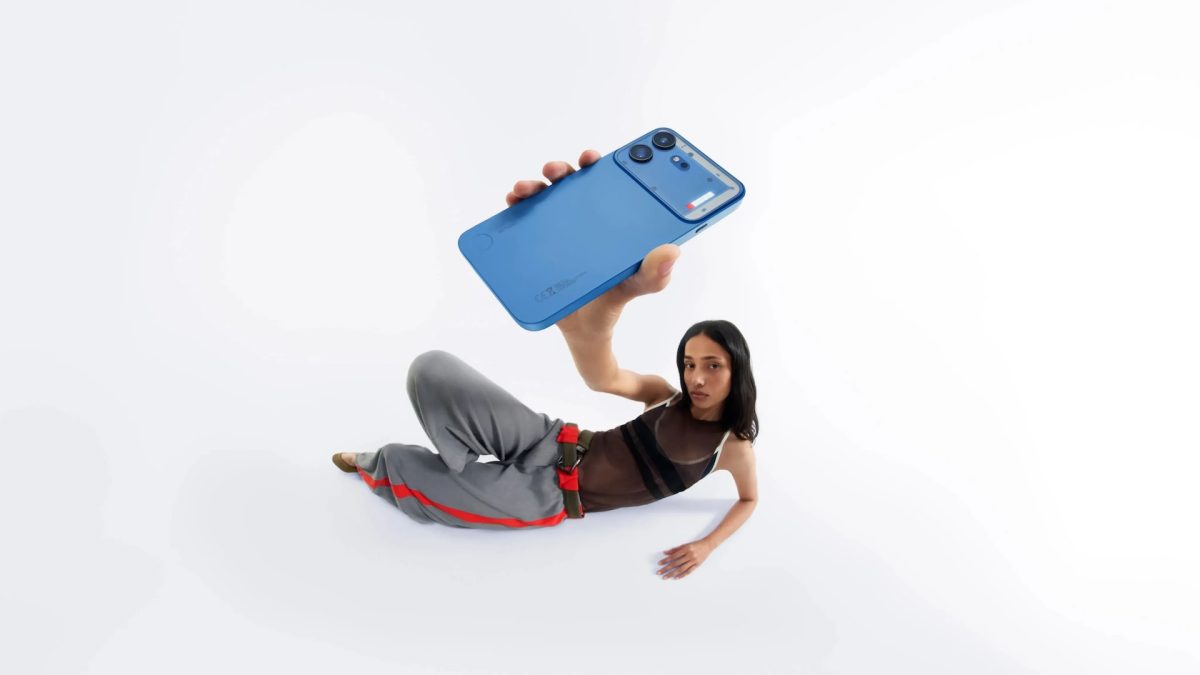
Now here's what changed. The Nothing Phone (4b) is the first phone in a new "b" series sitting below the Phone (4a) lineup, and it's designed to bring Nothing's design language to buyers who were priced out of it before. It keeps the transparent-inspired back, the customizable Glyph Bar lighting, and the unibody build that defines the brand — just wrapped around mid-range internals and a mid-range price.
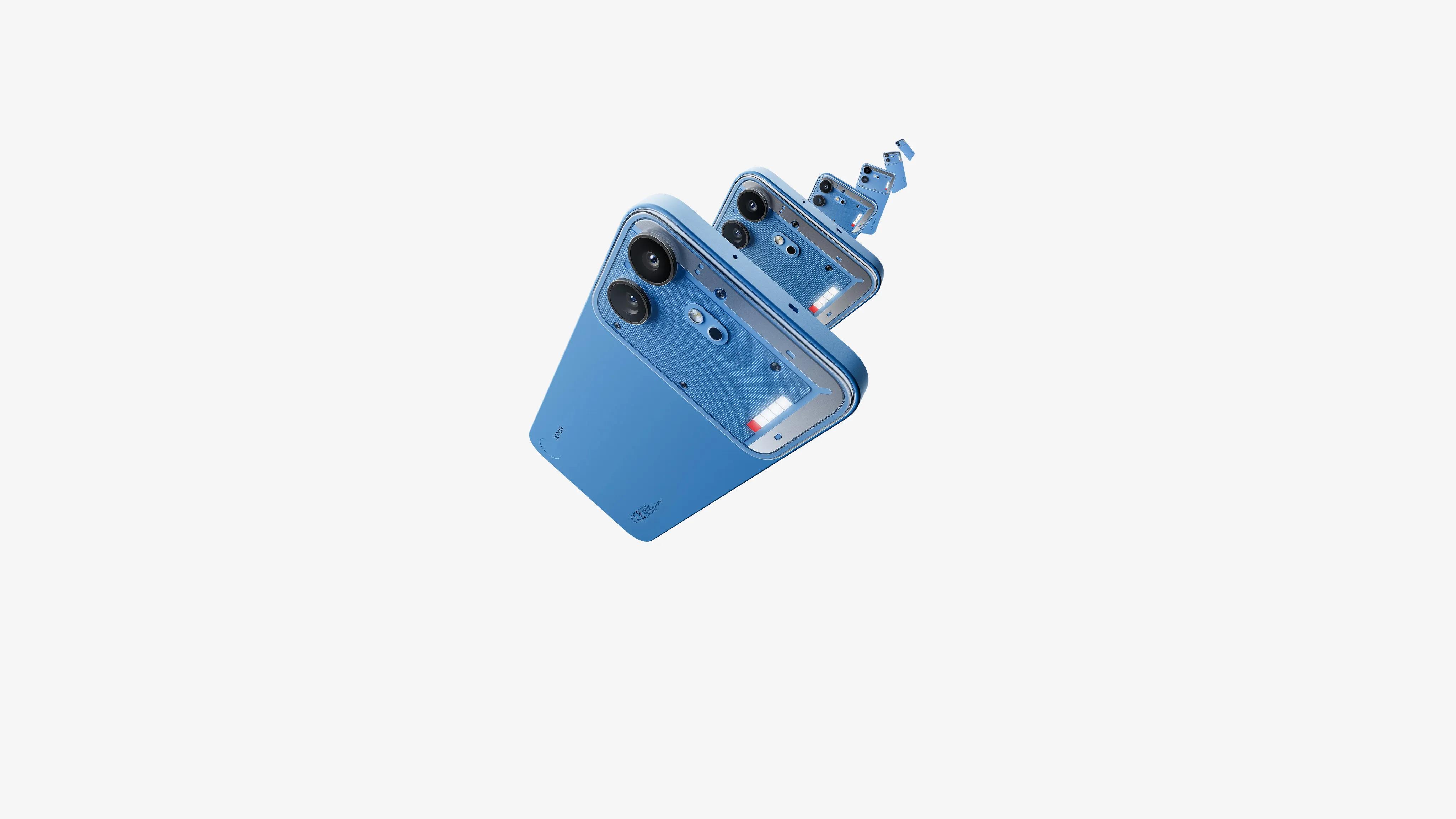
Tech Patrol first flagged this launch two weeks ago when Nothing was still teasing the b-series (our earlier report on the announcement). A few of the specs we tracked then — a single 50MP camera and a 5,400mAh battery — have since been superseded by the phone's actual, confirmed configuration for global and Philippine markets. Here's what's real.
The Breakdown: Confirmed Specs, Pricing, and Where to Buy
The Nothing Phone (4b) launched officially on July 7, 2026, alongside the Ear (3a) earbuds, and the Philippine pricing and specs are now locked in through Nothing's authorized local channels.
Display
- 6.77-inch Super AMOLED, 2,344 x 1,080 resolution
- 120Hz adaptive refresh rate, up to 2,000 nits peak brightness
- Dragontrail Pro Glass protection, in-display fingerprint sensor
Performance
- Qualcomm Snapdragon 6 Gen 4 octa-core chipset
- Adreno 810 GPU
- 8GB RAM, with 128GB or 256GB storage options
- Android 16-based Nothing OS 4.1, with 3 years of Android updates and 6 years of security updates promised
Cameras
- 50MP main sensor with OIS and EIS
- 8MP ultra-wide lens (119.5-degree field of view)
- 50MP 3.5x telephoto sensor
- 16MP front-facing selfie camera
- 4K video at 30fps, 1080p at up to 60fps
Battery and Charging
- 5,200mAh battery on the global/Philippine unit — this is the important correction to make here, since early coverage (including our own initial report) referenced the India-market variant's larger 6,000mAh cell. They are not the same battery. The unit Filipino buyers will actually get is the 5,200mAh version, still the largest capacity Nothing has shipped in any of its phones.
- 33W wired fast charging, 7.5W reverse wired charging
Design and Build
- Signature Glyph Bar with customizable mini-LED lighting
- Unibody design, IP64 dust and splash resistance
- Available in White, Black, and Blue
Connectivity
- 5G, Dual 4G VoLTE, Dual NanoSIM
- WiFi 6, Bluetooth, GPS/GLONASS/BDS/GALILEO/QZSS positioning
- Stereo speakers, USB-C
Pricing
- 8GB/128GB — ₱21,990
Nothing's Philippine distributor, Digital Walker, is the authorized retail channel, with availability expected across Digital Walker's own stores plus its official Lazada and Shopee storefronts. An exact retail date wasn't attached to the announcement at press time, so treat ₱21,990 as the confirmed launch price pending Digital Walker's own local rollout notice — pricing on third-party marketplace listings should always be double-checked against the official store before ordering.
The Technology Layer: Why Telco Compatibility Actually Matters Here
This is where technology comes in. A striking-looking phone means nothing if it can't keep up with how Filipinos actually use their phones day to day — and that's where the Phone (4b)'s connectivity stack does the quiet, unglamorous work.
With 5G support and Dual 4G VoLTE, the Phone (4b) is built to work cleanly across PLDT/Smart's and Globe's expanding 5G footprints, without the call-quality compromises that plague phones with weaker VoLTE implementation. For prepaid-heavy users switching between Smart, TNT, Globe, and DITO SIMs — a very common Filipino habit — Dual NanoSIM support means no juggling a second device just to keep two numbers active.
The WiFi 6 support also matters more than it looks on a spec sheet. As PLDT Home and Globe At Home continue pushing fiber-backed WiFi 6 routers into more households, a phone that can actually use that bandwidth avoids becoming the bottleneck in an otherwise fast home network — a common, frustrating disconnect when budget phones ship with older WiFi standards. In a market where telcos are the backbone of both mobile and home connectivity, a phone that's built to use that infrastructure fully, rather than just adequately, is doing more for its owner than the spec sheet lets on.
The Impact: What This Means for Filipino Buyers
For the ₱15,000 to ₱25,000 segment — the single most competitive price bracket in the Philippine smartphone market — the Nothing Phone (4b) changes the calculus. Buyers shopping this range have typically had to choose between OPPO, Xiaomi, realme, Infinix, and TECNO devices that compete almost entirely on battery size and camera megapixels, with design treated as an afterthought. Compare that to TECNO's POVA 8 5G, which also leans into a transparent-panel design at a lower price point but with less brand pedigree, or Xiaomi's Redmi 15C, which wins on battery size but plays it safe on looks — the Phone (4b) is staking its claim on personality rather than raw numbers.
That matters in a market where a phone upgrade is often a family decision made once every few years, not a casual swap. A device that still feels distinct after two years of daily use protects that investment in a way that a generic black slab doesn't.
Tech Patrol Insight
Here's the bigger pattern worth watching: Nothing didn't just launch a new phone — it dismantled its own two-brand structure to do it. Retiring the separate CMF budget line and folding an entry-level device directly into the main Nothing identity is a bet that design can be a genuine differentiator all the way down the price ladder, not just at the top.
For the Philippines specifically, this lands at an interesting moment. Local buyers increasingly compare not just OPPO versus Xiaomi versus realme, but also weigh newer, design-forward entrants like OnePlus's rumored N6 and reviewed budget contenders like the HONOR X5 Plus against whatever brand is currently making the most noise. Nothing's bet is that noise plus substance — a phone that actually looks different and works properly on local 5G and VoLTE — beats noise alone.
Final Thoughts
A phone shouldn't make you choose between looking like yourself and staying within budget. The Nothing Phone (4b) doesn't erase that trade-off entirely — ₱21,990 is still a real commitment for most Filipino households — but it moves the line further than most budget phones have managed. You don't have to settle for looking like everyone else just because you're spending less. That's the actual shift here, not the Glyph Bar, not the megapixel count.
A couple of things are still worth sitting on before anyone lines up to buy one. Nothing's own Philippine site confirms the phone in three colorways, but for now only the single 8GB/128GB configuration is listed — so buyers hoping for more storage headroom, or a different RAM tier, will have to wait and see if that changes. And there's no confirmed date yet for when units actually hit stores locally. Until Digital Walker sets that in stone, ₱21,990 is a real price attached to a phone without a real release day — worth knowing before anyone gets too attached to a launch-week purchase plan.
Sources
- Confirmed PH specs and pricing: UNBOX PH — "The Nothing Phone (4b) is an affordable alternative to the (4a) series"
- Battery variant clarification (5,200mAh global vs. 6,000mAh India) and distributor confirmation: Technobaboy — "Nothing Phone (4b) launched with Snapdragon 6 Gen 4, PH price announced"
- Additional spec verification: ManilaShaker — "Nothing Phone (4b) Now Official"
- Official brand storefront: Nothing Philippines